|
|
|
UMBELLIFERAE(Umbellifer or Carrot family)• Medicinal / Folk-medicinal aspects: XXXX. • Also known as the Apiaceae, this family of 2850 species in 275 genera is of cosmopolitan distribution but is found chiefly in northern temperate regions. Photosensitisation by umbelliferous plants Of about 200 coumarins isolated from plants, about 125 have been isolated from 161 umbellifer species, representing 33 genera of the family. Coumarins have only been isolated from the sub-family Apioideae especially from members of the tribes Smyrnieae, Ammineae and Peucedanae (Nielsen 1971). Of the coumarins, linear furanocoumarins have the capacity to evoke photodermatitis. Soine (1964) listed furanocoumarins which had been tested in guinea-pig and man. Some 18 compounds showed some effect on guinea-pig skin, some 22 compounds on human skin. Of 36 furocoumarin and 42 coumarin derivatives tested for phototoxicity, none was found to have greater potency than unsubstituted, linearly annulated psoralen (Pathak et al. 1967). Compounds with a linear tricyclic structure resembling that of psoralen are capable of evoking photosensitisation: 4-methylpsoralen, 4,4'-dimethylpsoralen, 4,5'-dimethylpsoralen, 4,8'-dimethylpsoralen, 4,5',8-trimethylpsoralen, 8-methoxypsoralen, 5-methoxypsoralen. Compounds with a nonlinear structure (isopsoralens and isopseudopsoralens) are without any photosensitising activity. Inactive structures include isopsoralens, pseudopsoralen, pseudoisopsoralen, 3-methylpsoralen, 4',5'-dihydropsoralens, coumarins, furans, benzodifurans, furanochromones, oxazolocoumarins, naphthofurans, and naphtho α-pyrones (Pathak et al. 1971). For the purpose of this review plants have been recorded as yielding 5-methoxypsoralen, 8-methoxypsoralen and other furanocoumarins. Further information is provided by Nielsen (1970, 1971). The wavelengths which most effectively evoke photodermatitis are in the range between 320 and 380 nm with maximum effectiveness between 330 and 360 nm (Pathak 1974). Photosensitisation of the eye has been reported in animals (Cloud et al. 1960, 1961, Cogan 1961, Freeman 1966) but not in man (Grant 1962). Mutagenesis for microorganisms from psoralen and ultraviolet light was reported by Clarke (1974), Ingali et al. (1970) and Townsend et al. (1971). The spiny leaves (Howes 1974) are capable of producing mechanical injury.
According to Gerarde (1636), "Herbe Gerard with his rootes stamped, and laid upon members that are troubled or vexed with the gout, swageth the paine, and taketh away the swelling and inflammation thereof, which occasioned the Germaines to give it the name Podagraria, bicause of his vertues in curing the gout. It cureth also the Hemorrhoids, if the fundament be bathed with the decoction of the leaves and rootes, and the soft and tender sodden herbes laid thereon very hot." Grieve (1931) acknowledged Gerarde and Culpepper as historical sources of information on goutweed, noting that the specific epithet was derived from the Latin podagra = gout. In referring to the use of the plant externally as a fomentation, French (1971), Usher (1974) and others have probably obtained their information from the same historical sources. [Further information available but not yet included in database] This poisonous plant has an irritant effect (Pammel 1911). The seeds of this plant which grows abundantly in the Nile Valley have been used in Egypt for the treatment of vitiligo since the 13th Century (El Mofty 1968). Photodermatitis is evoked by application of an extract of the seeds to the skin. Severe blistering can follow application of the plant to the skin and exposure to light; hyperpigmentation of the skin is a prominent aftermath (Cheymol 1958). According to Behl et al. (1966) the plant has rarely been a sensitiser in addition to evoking photodermatitis. Five linear furanocoumarins, which include 5-methoxypsoralen and 8-methoxypsoralen, are derived from the fruits (Nielsen 1971). Ingestion of the seeds can produce photosensitisation in chickens (Trenchi 1960). The photosensitizing furanochromones khellin and visnagin have been isolated from this plant. The common name derives from the fact that the rays of inflorescence are used as toothpicks. The fruit is used as a condiment. A positive patch test reaction to dill was observed in a sandwich-maker who had contact dermatitis (Hjorth and Weismann 1972). Dill was noted as a source of furanocoumarins (Klaber 1942) and listed as a plant implicated in causing phytophotodermatitis by Pathak et al. (1962) but other clinical reports of dermatitis from the plant appear to be lacking. A coumarin derived from the plant (Nielsen 1971) is not known to be photosensitising. Oil of Dill has been reported to be sensitising (Urbach 1942). Carvone is derived from the oil of this and other plants (Furia & Bellanca 1971). Hjorth (1967) reported carvone to be the contact sensitiser in a case of toothpaste dermatitis but provided no clinical details. Kariyone (1971) sneezed repeatedly and suffered from nasal haemorrhages when he studied the active principles of this species. Citing Kariyone et al. (1937), Nielsen (1970) noted the presence of bergapten in the fruits Ligusticum acutilobum. In traditional Chinese medicine, the plant is known as pai chih. The leaves are used to prepare a wash for the relief of pimples and prickly heat ( 1911). The name pai chih may also refer to Angelicae Dahuricae Radix derived from Angelica dahurica Benth. & Hook.f. The roots of Angelica anomala yield 5-methoxypsoralen (Nielsen 1970).
Angelica root oil, a perfumery raw material, is obtained by steam distillation from the roots of this plant; angelica seed oil is similarly obtained from the seeds (Arctander 1960). Oil of angelica root can produce dermatitis in hypersensitive individuals (Greenberg and Lester 1954). Contact sensitivity to angelica root oil in a 62-year-old woman with dermatitis around the eyes was reported by Larsen (1975). The leaf stalks are candied and used in confectionery. A confectioner who gathered the plant for preserving as candy developed an irritating rash of 6 months' duration on both forearms. A friend who had assisted him was also afflicted, but his reaction was more blistering and less painful, the rash resolving within a few days (Walsh 1897). The plant has been reported to evoke photodermatitis (Pathak 1974, Van Dijk and Berrens 1964). Bergapten and xanthotoxin have been isolated from the fruits and roots (Pathak et al. 1962, Dean 1963, Nielsen 1970). Bergapten has been isolated from the fruits of Archangelica decurrens (Nielsen 1970). Bergapten, isopimpinellin, sphondin and other furanocoumarins have been isolated from the roots and fruits (Nielsen 1970). Bergapten has been isolated from the roots of Angelica formosana (Nielsen 1970). [Information available but not yet included in database] This species yields furanocoumarins (Pathak et al. 1962). Psoralen and bergapten have been isolated from the roots (Nielsen 1970).
Psoralen, bergapten and xanthotoxin have been isolated from the roots of Angelica hirsutiflora (Nielsen 1970). Psoralen, bergapten, xanthotoxin and angelicin have been isolated from the roots (Nielsen 1970). Psoralen and bergapten have been isolated from the roots (Nielsen 1970). Bergapten has been isolated from the roots (Nielsen 1970). This species has been reported to evoke photodermatitis (Bogdanovitch et al. 1933). A paste of the fruit has been used to kill headlice (Usher 1974). A case of occupational dermatitis from this plant and from Lagurus ovatus was reported by Benini et al. (1970).
A blistering rash developed on the legs in a squad of airmen undergoing physical training across fields thickly overgrown with wild parsley and yarrow. There was bright sunshine and the airmen ran in short trousers. A similar skin reaction, initially mis-diagnosed as chicken pox (varicella), had also been seen in children who were living in the married airmen's quarters. Photopatch tests were carried out on the arms with the flowers, leaves, and stalks of wild parsley, yarrow (Achillea L., fam. Compositae), and cow parsnip (Heracleum L., fam. Umbelliferae) in both patients and control subjects. Only the wild parsley evoked positive photopatch test reactions in both patients and control subjects. The failure of the yarrow and cow parsnip to evoke positive photopatch test reactions could not be explained except by the proposition that photodynamic activity of these plants can vary with geographic location (Bellringer 1949). Extracts of this plant exhibit a weak phototoxic activity (Van Dijk and Berrens 1964). Varieties and cultivars are listed by Usher (1974):
Legraine and Barthe (1926) reported the case of a celery-gatherer who developed a pruritic papulo-vesicular dermatitis on the hands and face and commented that the eruption closely resembled that produced by cow parsnip (Heracleum). Henry (1933, 1938) reports dermatitis in 22 workers preparing celery for canning. In a case of celery dermatitis, Gelfand (1936) obtained positive patch test reactions to oil of celery. The oil was also implicated by Wiswell et al. (1948) and Palumbo and Lynn (1953). Klaber (1942) suspected a role of sunlight in dermatitis among workers who handled celery. 5-methoxypsoralen was isolated from Apium graveolens var. dulce by Musajo et al. (1954). Birmingham et al. (1961) investigated dermatitis in celery-workers in Michigan and confirmed the opinion of field-workers that pink rot celery, that is celery infected with the fungus Sclerotinia sclerotiorum, evoked photodermatitis. The infected celery contained a photoreactive furanocoumarin: Scheel et al. (1963) isolated 8-methoxypsoralen and 4,5',8-trimethylpsoralen from celery infected with this fungus. Perone et al. (1963) obtained negative photopatch test reactions with uninfected celery and positive reactions with infected celery. Normal green Pascal celery contains 5-methoxypsoralen and the diseased celery contains potent photosensitising agents, 8-methoxypsoralen and 4,5',8-trimethylpsoralen (Pathak 1974). According to Nielsen (1970), Apium graveolens yields 5-methoxypsoralen and also 2',4,8-trimethylpsoralen. Dark-skinned labourers appeared to be immune whereas over one-third of the whites were affected (Wiswell et al. 1948). Phototoxicity from fungus-infected celery appears to be the principal cause of celery dermatitis but probably allergic contact dermatitis can also occur as indicated by the patch test results of Wiswell et al. (1948) and Palumbo and Lynn (1954). Occupational dermatitis from celery and parsley (Petroselinum) was found in 10% of 182 persons in a rural population (Luppi and Bucchi 1970). Three of three women contact sensitive to carrot (Daucus) showed positive patch test reactions to turnip-rooted celery; three of three also reacted to parsnip (Pastinaca) (Klauder and Kimmich 1956). Agrup (1969) observed a positive patch test reaction to celery. Alleged cross-sensitivity to orange and lemon (Citrus × limon (L.) Osbeck, fam. Rutaceae) appears to be anecdotal (Birmingham et al. 1961). The aromatic ingredient of celery is sedanolide, which is an isomer of cnidilide (Kariyone 1971). Variety- or cultivar-specific allergenicity has been observed, the variety of celery named Pascal green being the most active sensitiser (Wiswell et al. 1948, Palumbo and Lynn 1954). The latter authors did not state the concentration of the extracted oil used for patch-testing. This is a genus of about 70 species of densely tufted, sometimes exceedingly long-lived xerophytes which are distributed from the northern Andes to temperate South America, and the Falkland and Antarctic Islands (Mabberley 1987). They were formerly classified by some authorities in the Hydrocotylaceae (see Hydrocotyle L.). A few species are occasionally grown as ornamentals by horticulturalists with a special interest in alpine or rockery plants. In the Andes, the plants are alleged to produce blistering of the skin (Towers 1978). In an ethnobotanical survey of plants used in the Bustillo Province of Bolivia, Fernandez et al. (2003) reported that the plant is used to prepare a cataplasm for application to bone fractures.
Nielsen (1970), citing Kerimov & Dranitsyna (1965) and Pigulevskii et al. (1967) who referred to Hippomarathrum caspicum, noted that the leaves, stalks and fruits of this plant yield 5-methoxypsoralen (bergapten) and 8-methoxypsoralen (xanthotoxin).
Nielsen (1970), citing Dranitsyna et al. (1965) who referred to Hippomarathrum microcarpum, noted that the fruits of this plant yield 5-methoxypsoralen (bergapten) and 8-methoxypsoralen (xanthotoxin). The fruits provide caraway seeds. The fruit and seeds were used by the Ancient Greeks and Romans as a condiment and are recorded in 1552 B.C. in the medical Papyrus of Thebes. Oil of Caraway may cause cutaneous irritation in hypersensitive individuals (Greenberg and Lester 1954). The plant is listed as a photosensitiser (Pathak et al. 1962). Carvone is derived from the oil of this and other plants (Furia & Bellanca 1971). Hjorth (1967) reported carvone to be the contact sensitiser in a case of toothpaste dermatitis but provided no clinical details. This is a genus of about 50 species found mostly in South Africa, with Centella asiatica Urb. being distributed pantropically (Mabberley 2008). Centella L. species have similarities with Hydrocotyle L. species and have previously been classified by some authorities in a distinct family, namely the Hydrocotylaceae (see Willis 1973). Following upon the work of the Angiosperm Phylogeny Group (2003), the genus Centella L. was moved into the Mackinlayaceae, but then was restored to the Umbelliferae by Plunkett et al. (2004).
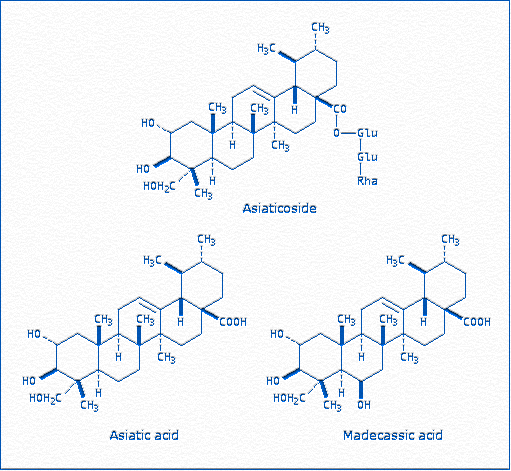
The plant is well known to practitioners of Indian and Chinese traditional medicine. In India it is known as brahmi. In China, a preparation of the root (Hydrocotyle Asiatica Radix or Centella Asiatica Radix) is known as gotu kola; the dried whole plant (Herba Centella Asiatica) is known variously as beng da wan, han ke cao, ji xue cao, luo de da, and by other names. According to Waring (1883), to whom Piffard (1881) referred, Hydrocotyle asiatica has gained considerable repute as a remedy for leprosy. The dried and powdered leaves are sprinkled on the ulcers (and also taken orally), or alternatively the fresh bruised leaves may be applied. The remedy causes great itching of the skin over the whole body, when its use should be discontinued. Nadkarni (1976) similarly noted that preparations of the plant are highly valued remedies in Indian traditional medicine, being administered both internally and externally for a variety of skin diseases including ulcers (chronic, scrofulous, syphilitic), chronic eczema, psoriasis, leprosy, elephantiasis, and abscesses. The juice of the leaves or whole plant is said to be excellent for stopping the irritation caused by prickly heat (Hurst 1942). According to Perry & Metzger (1980), the uses of Centella asiatica over all its eastern range are many and very much alike in different regions. Sachs et al. (2002) noted that this species is used by the people of Ngada on Flores (an Indonesian Island) for treating wounds. The wound healing activity of the plant appears to be attributable to its content of asiaticoside, asiatic acid, and madecassic acid (Maquart et al. 1990, Bonte et al. 1994, Bonte et al. 1995, Maquart et al. 1999, Shukla et al. 1999a, Shukla et al. 1999b) through stimulation of collagen and glycosaminoglycan synthesis. The plant has also been studied as a topical antipsoriatic by Natarajan & Paily (1973). Using keratinocyte cultures, Sampson et al. (2001) found that an aqueous extract of the plant exhibited antiproliferant activity that could support its use as an antipsoriatic. The activity was attributed to madecassoside and asiaticoside. Interestingly, asiaticoside was shown to inhibit healing of experimental corneal wounds in rabbits (Callizo et al. 1996). Studies of the effect of asiaticoside in corneal wounds and ulcers have been documented by Abou Shousa & Khalil (1967) and by Mekkawi (1968). Asiaticoside appears also to be able to inhibit collagen production in such a way as to inhibit formation of hypertrophic scars, keloids, and stretch marks (striae gravidarum / striae distensae) (Bosse et al. 1979, Qi et al. 2000, Widgerow et al. 2000, Brennan et al. 2012). Extracts from the plant have been formulated into several commercial products including Collaven®, Emdecassol™, Madecassol®, Centelase™, Marticassol™, Blastoestimulina™, and Trofolastin®. Reports of allergic contact dermatitis, confirmed by patch testing have appeared sporadically following topical use of Madecassol®, (Eun & Lee 1985), Centelase™ (Santucci et al. 1985, Vena & Angelini 1986, Danese et al. 1994), and Blastoestimulina™ (Izu et al. 1992, Aguirre et al. 1993, Bilbao et al. 1995, Gonzalo Garijo et al. 1996). Asiaticoside, asiatic acid, and madecassic acid appear to be the sensitisers (Huriez & Martin 1969, Hausen 1993). The possibility of sensitivity to other components of the formulations (for example, propylene glycol) should not be overlooked (Eun & Lee 1985, Hausen 1993). It is pertinent to note that the phytochemical literature dating back over 50 years appears to show that the asiaticoside content of Centella asiatica varies with geographical source (Watt & Breyer-Brandwijk 1962, Oliver-Bever 1986), suggesting the existence of chemovars. The significance of this observation with regard to the various biological activities ascribed to the plant remains to be determined. Hausen (1993) provides a detailed review of the many dermatological uses of Indian pennywort and also a review of the several cases of contact allergy reported following the use of commercial products containing an extract of the plant. He concludes that the low incidence of reports of contact dermatitis in relation to the widespread use of products containing an extract of the plant suggests that the plant is only a very weak sensitiser. Studies in guinea pigs supported this assessment, showing that asiaticoside, asiatic acid, and madecassic acid were all very weak sensitisers. This species yields linear furanocoumarins (Nielsen 1971).
According to Stuart (1911) who referred to Selinum monnieri in a text on Chinese materia medica, washes and ointments are made from the crushed or powdered seeds for bathing prolapsus recti, piles, anal fistula, and leprous or scabious sores. This species yields linear furanocoumarins (Nielsen 1971 & Cai et al. 2000 : https://doi.org/10.1021/np990522w). A coumarin-rich extract of the seeds applied topically to 2,4-dinitrochlorobenzene pre-treated skin in a rat model of atopic dermatitis significantly alleviated the skin lesions as compared with solvent-only controls. The extract was shown to contain xanthotoxin, isopimpinellin, bergapten, imperatorin, and osthole, the latter two being the main components of the extract (Yu et al. 2021). Piffard (1881) noted that application of the plant to the skin produces a burning feeling followed by paralysis of sensation. He noted also its use as a local application in the treatment of scrofulous ulcers, carcinomas, scabies, and pruritus. Dermatitis from the plant has been reported by several authors cited by Touton (1932). Massey (1941) and Hardin & Arena (1974) included Conium maculatum in lists of plants known or suspected to cause dermatitis but did not cite the source(s) of their information, Massey (1941) adding that the plant has sometimes been sold as an ornamental under the name of California fern. The plant yields two linear furanocoumarins (Nielsen 1971). The fruits provide coriander seeds used in flavouring. The seeds were found in Egyptian tombs of 960–880 B.C. and the plant was recorded in the medical Papyrus of Thebes in 1552 B.C. Loveman (1938) observed a positive patch test reaction to Oil of Coriander. Oil of Coriander is considered to be a known allergen and therefore has been removed from certain brand-name cosmetics (Anon 1973). The seeds were used as a condiment by the Ancient Greeks and in the Middle Ages. Oil of cumin used in perfumery is said to have some of the properties of other essential oils but has not been implicated in dermatitis (Greenberg and Lester 1954). Distinct phototoxic effects were reported for undiluted cumin oil but none from its principal ingredient, cuminaldehyde (Opdyke 1974). According to Schaffner (1904), persons handling the plant are often poisoned, especially when the plant is wet with dew. Large blisters form. Massey (1941) included the wild carrot, Daucus carota L. in a list of plants described as "less troublesome" causes of dermatitis, but did not cite the source of his information.
The plant is more or less bristly, bearing stiff strong hairs. The volatile oil contained in the leaves and fruits varies greatly from one kind of carrot to another (Burkill 1935, Watt & Breyer-Brandwijk 1962). Pammel (1911) reported that handling the foliage of carrots, especially when wet, produced irritation, even vesication, in some persons. Prolonged exposure to carrots in canning factories can produce irritation of the skin and mechanical injury from the hairs (Peck et al. 1944). In seven cases of occupational dermatitis from carrots, the eruption was localised to the hands in five cases but in two cases the forearms, neck and face were also affected (Vickers 1941). Peck et al. (1944) described acute or chronic dermatitis affecting the hands and forearms and in some persons, the neck and face. 15 of 17 persons showed positive patch test reactions to slices of raw carrot. Aqueous extracts of carrot, the dried residue of this extract, ether and acetone extracts, carrot juice and heated carrot produced positive patch test reactions. Allergic contact dermatitis from carrots was reported by Klauder and Kimmich (1956) affecting 13 employees in a food-processing plant. The incubation period was usually about two weeks. Vesicular dermatitis affected the fingers and dorsa of the hands. All 13 patients showed positive patch test reactions to carrot slices, stronger to the cut surface than to the outer intact surface. In one of two patients tested, boiled carrot produced a positive reaction. Two of 77 (Peck et al. 1944) and three of 55 controls (Vickers 1941) showed irritant reactions to raw carrot slices. Cross-sensitivity was observed to parsnip (Pastinaca) and celery (Apium); negative reactions were observed to some other umbelliferous plants (Klauder and Kimmich 1956). Dermatitis from carrots is an industrial problem (Henry 1933, Vickers 1941, Peck et al. 1944, Klauder and Kimmich 1956) but is considered significant in housewife's eczema (Shelmire 1940, Agrup 1969). Spitzer (1937) observed a case of meadow dermatitis; besides the erythema there was an exact copy of a leaf of wild carrot (D. carota) on the skin of the patient who had lain undressed in a meadow; he considered this copy of a leaf to be due to mechanical irritation by hairs of the plant. Vickers (1941) suggested a photosensitising effect of carrots. Extracts of the plant had a weak phototoxic activity (Van Dijk and Berrens 1964). Pathak (1975) lists the plant as implicated in causing phytophotodermatitis. Carrots have been reported to cause contact urticaria (Urbach and Gottleib 1949). Oil of carrot seed has been suspected as an agent of contact dermatitis (Greenberg and Lester 1954, Klarmann 1958). Contact sensitivity to carotene is noted under Citrus. Ten species are found around the Mediterranean region (Mabberley 1987). The plants are characterised by their spiny flowering parts. The plant is a very spiny, much-branched perennial, the leaves, calyx, bracts, and bracteoles of which being spine-tipped. It is found growing in sand by the sea in Mediterranean Europe (Polunin 1969). The root contains a toxic principle which, like dicoumarol from Trifolium, leads to lowering of the prothrombin level of the blood and haemorrhages in animals who ingest the plant (Verdcourt and Trump 1969).
These species are sources of medicinal Gum Galbanum which is rubefacient and irritant to tender skin (Dioscorides 1st Cent. A.D., Dispensatory 1884, Piffard 1881). Three of 15 individuals who were contact sensitive to balsam of Peru (from Myroxylon balsamum Harms, fam. Leguminosae) showed positive patch test reactions to galbanum (Hjorth 1961). The young blanched leaves provide a vegetable and the fruit a condiment. Fennel tea infusions applied to inflamed skin increased the inflammation. Oil of fennel is reported to produce dermatitis in sensitive individuals (Greenberg and Lester 1954). Cross-sensitivity with Oil of Anise (Pimpinella) was reported by Loveman (1938). The plant has been implicated in causing phytophotodermatitis (Pathak et al. 1962). Ingestion of fennel and fennel seed were implicated in a case of bronchial asthma (Levy 1948). 70 species are found in northern temperate regions and on mountains in tropical regions. Chemistry is recorded by Molho et al. (1971) and by Nielsen (1970). Of 29 species investigated, all were found to yield linear furanocoumarins. The outer rind and the root of the cow parsnip (berce) contain an acrid sap sufficiently strong to inflame and ulcerate the skin (Chaumeton 1815). Persons handling or weeding the plants develop papulo-vesicular or bullous dermatitis (Legraine and Barthe 1926). The roots and rind of certain Heracleum species contain an acrid irritant sap (Behl et al. 1966). Cases of dermatitis from the plants were reported by Imschenetzky (1928), Colomb et al. (1969), Sokolova (1968), Klepov (1960), Leonenko (1962), Krauskoff and Belek (1972). Camm et al. (1976) note the difficulties of botanical identification for phytochemical study, numerous synonyms for plant species and the absence of a botanical monograph of the genus. This species yields furanocoumarins (Molho et al. 1971). This species yields 5-methoxypsoralen from the roots (Nielsen 1970). This species yields 5-methoxypsoralen from the fruits (Nielsen 1970). This species yields 5-methoxypsoralen from the fruits (Nielsen 1970). This species yields furanocoumarins (Molho et al. 1971). This species yields 5-methoxypsoralen from the roots (Nielsen 1970). This species yields furanocoumarins (Molho et al. 1971). This species yields 5-methoxypsoralen from the fruits (Nielsen 1970). This species yields 5-methoxypsoralen from the fruits (Nielsen 1970). According to The Plant List (2013), Heracleum leucocarpum Aitch. & Hemsl. is an unresolved name, but some data suggest that it is synonymous with Tetrataenium leucocarpum (Aitch. & Hemsl.) Manden. This species yields furanocoumarins (Molho et al. 1971).
This species is a native of the Caucasus and has been introduced into horticulture. Dermatitis from the plant was reported by Miescher and Burckhardt (1937) who suspected the possibility of light sensitisation. Kuske (1938, 1940) elicited bullous reactions 48 to 72 hours after applying fresh plant juice to the skin and following this with 40 minutes exposure to sunlight. The subsequent English and German literature concerning this plant was reviewed by Drever and Hunter (1970) who reported 13 cases of dermatitis from Scotland. Additional reports were provided by Jones and Russell (1968), Smellie (1968), Kvicalova and Stava (1962), Camm et al. (1976). Contact with the young shoots of a plant identified as Heracleum giganteum caused acute dermatitis of the hands and forearms of a gardener (Stowers 1897). Harrison (1906), perhaps referring to this earlier case, included Heracleum giganteum in a list of plants that may cause dermatitis. Straton (1912) reported that he had occasionally seen, in summer, contact dermatitis affecting the hands and arms of gardeners who had handled the cut stems of Heracleum giganteum, which was largely used in the arrangement of perennial borders. In the worst case, the patient had cut down about 200 plants and the hands and arms had become smeared with the sap. Wherever it touched, it produced a glow which was soon followed by intense itching and burning; then an erythemato-vesicular eruption appeared. However he said, unlike that produced by Toxicodendron, it never spread to other parts of the body but was limited to the areas actually touched by the sap. He further observed that the acridity of the sap of Heracleum, Angelica and similar plants varied with the season of the year and all skins were not equally susceptible to its action. Hinterman (1962) reported dermatitis from the plant in a dog. A woman had phytophotodermatitis of the skin of the jaw-line from contact with her cat which had been playing with her garden specimen of the plant (Champion, R.H. 1974, pers. comm. to Camm et al. 1976). The plant was reported to be running slightly wild in central Europe (Schulz and Spier 1951). Naturalisation and spread of the plant has occurred in the United Kingdom in the past sixty years (Drever and Hunter 1970). The plant was introduced to Kew Gardens, England for ornamental purposes but has now become a frank weed, usually found near water. The plant can grow to nearly 4m during its growing season and has large hollow stems. Those affected are most often fishermen and bathers and children who use the hollow stems for a telescope or pea-shooter and for blowing noises as with a trumpet. The hands are usually affected and also the back of those who have been hit with the stem in children's play. Cutting of plants for the intended purpose of eradication may result in dispersal since the dried stems and flower heads readily float downstream to reach the lower reaches (Editorial 1970). The botanical taxonomy of the plant is complex, in that two authored species and a "Kew species" are known (Molho et al. 1971). The Caucasian species has been divided into three species (Mandenova 1950). The plant yields 5-methoxypsoralen and 8-methoxypsoralen (Nielsen 1970). Chemovars i.e. biochemical varieties, within a species are reported (Molho et al. 1971). The essential oil from the plant contains chemicals (Jain 1969) which give rise to a notion that allergic contact dermatitis from the plant is a possibility. Heracleum giganteum Fisch. yields 5-methoxypsoralen from the fruits (Nielsen 1970).
The young leaf-stalks and young stems, before the expanding of the flowers, are eaten like stewed celery (Apium). The northern Indians of the United States ate the peeled stalks either raw or cooked (Fernald and Kincey 1943). According to Felter & Lloyd (1898), "The recent root and leaves [of Heracleum lanatum], when placed in contact with the skin, irritate and inflame it". Massey (1941) included Heracleum lanatum in a list of plants described as "less troublesome" causes of dermatitis, but did not cite the source of his information. Efremov (1961) reported 357 cases of photodermatitis from Heracleum dulce. He noted a requirement for sunlight in evoking the dermatitis since inunction of the juice of the plant without exposure to sunlight was harmless. The blossoms were steeped in oil and rubbed on the body to keep off flies and mosquitoes by North American Indians (Smith 1929). The plant is used for rubefacient purposes (Courchet 1882). The leaves are used as a counter-irritant and may produce vesication (Dispensatory 1884). Portions of the leaf and stem using the method of Daniels (1965) were phototoxic for Candida albicans (Camm et al. 1976). Extracts of the plant inhibit DNA repair in UV-irradiated cultured human fibroblasts (Stich et al. 1975). The fruits and roots yield 5-methoxypsoralen and other furanocoumarins (Nielsen 1970, Molho et al. 1971).
According to (Behl et al. 1966), the roots and rind contain an acrid irritant sap. Nielsen (1970), citing earlier literature, noted the presence of bergapten in the fruits. Citing earlier literature, Nielsen (1970) notes that the fruits have been reported to contain bergapten and sphondin. Referring to earlier literature, Nielsen (1970) noted that bergapten, sphondin, and pimpinellin have been reported to occur in the roots and/or fruits. According to The Plant List (2013), the taxonomic status of this plant name remains unresolved. Heracleum panaces was published by five other authors, but it is not clear whether any or all of these authors were describing the same taxon. Citing earlier literature referring to Heracleum transcaucasicum and Heracleum pastinacifolium as separate taxa, Nielsen (1970) noted that this species yields bergapten and sphondin from the fruits. This species is listed as a source of phytophotodermatitis (Van Dijk and Berrens 1964). Dincel et al. (2013) reported the presence of psoralen, bergapten, xanthotoxin, pimpinellin, sphondin and other furanocoumarins in the aerial parts of this plant. Nielsen (1970), citing earlier literature, noted that this species yields bergapten, sphondin, and pimpinellin from the fruits. This species yields furanocoumarins (Molho et al. 1971). Nielsen (1970), citing earlier literature, recorded that this species yields bergapten, xanthotoxin, angelicin, sphondin, and pimpinellin from the stalks and leaves, and/or fruits.
This species is reported to evoke phytophotodermatitis (Van Dijk and Berrens 1964, Pathak et al. 1962). Michon et al. (1956) reported purpuric dermatitis from the plant. The phototoxic furanocoumarins bergapten, xanthotoxin, 5-methoxypsoralen, sphondin, and pimpinellin have been reported to occur in the roots and/or fruits (Nielsen 1970).
Heracleum dissectum yields 5-methoxypsoralen from the roots (Nielsen 1970). Some authorities consider Heracleum sphondylium L. subsp. montanum Briq. to be a synonym of Heracleum maximum W.Bartram.
The bark and roots of Heracleum sibiricum are corrosive and vesicant (Courchet 1882). Citing earlier literature also referring to Heracleum sibiricum, Nielsen (1970) noted that this taxon yields bergapten, sphondin, angelicin, and pimpinellin from the fruits and/or roots.
This species yields furanocoumarins (Molho et al. 1971). This species yields furanocoumarins (Molho et al. 1971). Nielsen (1970), citing earlier literature, recorded that bergapten, sphondin, and pimpinellin have been reported to occur in the fruits. Nielsen (1970), referring to earlier literature, noted that bergapten, sphondin, and pimpinellin have been reported to occur in the fruits. Nielsen (1970), citing earlier literature, recorded that the roots of "Heracleum villosa" yield xanthotoxin. However, the botanical identity of the plant material is open to question [see Heracleum mantegazzianum Sommier & Levier and Heracleum stevenii Manden. above]. This species yields furanocoumarins (Molho et al. 1970). Three species native to south-western Asia are cultivated and naturalised in North America and Europe. Two species yielded linear furanocoumarins (Nielsen 1971).
The plant was used as a condiment and eaten like celery (Apium). A laboratory technician developed dermatitis of the wrist and elbow flexures after making extracts of lovage and cleaning out vats containing Oil of Lovage. Patch tests were positive to Lovage Concentrate, negative in eight controls (Calnan 1969). Oil of Lovage is used in perfumery (Greenberg and Lester 1954). The plant name "Ligusticum officinale Koch" can be encountered in the literature in articles referring to lovage. This is of no botanical standing. The name Ligusticum officinale Kitag. (syn. Cnidium officinale Makino) has been published, but whether or not this refers to lovage remains unresolved, as is also the case with Angelica levisticum All., Levisticum vulgare Reichb., and Levisticum vulgare Hill, other possible synonyms.
This species yields 5-methoxypsoralen and 8-methoxypsoralen (Nielsen 1970).
The root is hot and disagreeable to the taste; it was sometimes chewed in Scotland as tobacco (Nicotiana tabacum L., fam. Solanaceae). The plant has been used as a pot-herb (French 1971). 40 species are found in temperate Eurasia and on mountains. The whole genus is acrid (Bowie cited by Watt & Breyer-Brandwijk 1962).
These species are described as irritant (Pammel 1911). Oenanthe phellandrium is used in herbal medicine. The crude drug, locally applied, "excoriates the skin" (Piffard 1881).
According to Stuart (1911), who referred to Oenanthe stolonifera in a text on Chinese materia medica, the bruised plant is recommended as an application to horse bites, snake bites, scorpion stings, and cancerous swellings.
Gum Opopanax, used in perfumery, is the dried juice from the wounded stem (Remington et al. 1918). Opopanax or sweet myrrh is also obtained from Commiphora (Furia & Bellanca 1971). Six of eleven patients who were contact sensitive to balsam of Peru (from Myroxylon balsamum Harms, fam. Leguminosae) showed positive patch test reactions to opopanax (Hjorth 1961).
15 species of Pastinaca are native to temperate Eurasia. Pastinaca sativa is the parsnip, a biennial, often cultivated for its edible root. The plant has been cultivated in Europe since Roman times and was introduced to America during the 17th century. According to Bailey (1971) Pastinaca sativa L. is the cultivated parsnip and Pastinaca sativa L. var. sylvestris DC. is the wild parsnip which is extensively naturalised in North America. According to Clapham et al. (1962) Pastinaca sativa L. is the wild parsnip which is native to Great Britain found at roadsides and in grassy waste places. In Scotland and Ireland, it is found only as an escape from cultivation. The plant is found in Europe except in the extreme north and in Portugal, and is found eastwards to the Caucasus. It has been introduced to North and South America, Australia and New Zealand. Somner and Jillson (1967) refer to the cultivated parsnip as Pastinaca sativa var. hortensis and to the wild parsnip as Pastinaca sativa var. pratensis. The wild variety reverts to the edible variety with appropriate horticulture and vice versa. In Great Britain the wild variety is colloquially named heeltrot, hockweed, bird's nest, hart's eye and madnip (Klaber 1942). The wild parsnip can be identified in early summer by the clusters of yellow flowers arising from a main stalk on stems arranged like the spines of an everted umbrella (Somner and Jillson 1967). The plant which is established as a weed in fields, waste places and roadsides throughout the United States looks somewhat like the wild carrot or Queen Anne's lace (Daucus) but has yellow flowers (Hardin & Arena 1974). Three Pastinaca species which were investigated yielded linear furanocoumarins (Nielsen 1971). Dermatitis from parsnips was recognised at the end of the 19th century (White 1887, Jamieson 1897, Schaffner 1904). Massey (1941) included Pastinaca sativa in a list of plants described as "most troublesome" causes of dermatitis, but did not cite the source of his information. The dermatitis can affect gardeners (Gruebel Lee 1946), market-gardeners (Lengyel & Palicska 1965), farmers (Edel 1916), factory-workers employed in processing parsnips (Dicker 1935, Strack 1945, Henry 1933) and troops in the field (McKinlay 1938) and soldiers who peeled the vegetable (Belisario 1952). In the case of soldiers the lesions have been mistaken for self-induced lesions or mustard-gas burns. Other reports have been contributed by Freche and Plissomeau (1908), Nestler (1912), Straton (1912), Maiden (1921b), Cleland (1925), Hartmann and Briel (1927), Heye (1929), Hirschberger and Fuchs (1936), Whittle et al. (1946), Federico (1957), Stevanovic (1959), Andreichuk (1960), Binnie (1964), Young (1964), and Voborova et al. (1965). Hurst (1942) reported Peucedanum sativum as a cause of dermatitis. In a feeding experiment, two ducks fed parsnip seed and placed in the sun developed dermatitis (Hurst 1942). Gardner & Bennetts (1956) include Peucedanum sativum L. in a list of plants known or suspected of causing dermatitis, probably from Hurst (1942). The active spectral band for evoking phytophotodermatitis from the plant was found to be 320–360 nm (Jensen and Hansen 1939). Wetness of the skin on contact with the plant is important in the pathogenesis of the lesions and residual hyperpigmentation is characteristic (Somner and Jillson 1967). These authors noted that phytophotodermatitis from the plant was invariably misdiagnosed as poison ivy (Toxicodendron) dermatitis. Lying on plants in grass can cause meadow dermatitis (Charpy 1939). Both wild and cultivated parsnip can evoke phytophotodermatitis. It is possible that allergic contact dermatitis can also occur. Parsnip was found to be not irritant by patch test (Starck 1945). The plant yields 5-methoxypsoralen and 8-methoxypsoralen (Nielsen 1970).
The plant can evoke phytophotodermatitis (Van Dijk and Berrens 1964). During the spring and beginning of the summer, Pastinaca sylvestris Mill. and during the summer Pastinaca urens evoke phytophotodermatiis in France (Gougerot and Charteaud 1952). The plant yields 5-methoxypsoralen and 8-methoxypsoralen (Nielsen 1970).
The majority of female workers who prepared parsley in a canning factory developed vesicular inflammation and purple discolouration of the skin and hands and forearms followed by purulent folliculitis and carbuncles (Hübschmann & Čupík 1941). Occupational dermatitis from parsley and celery (Apium) was found in 10% of 182 persons in a rural population (Luppi and Bucci 1970). A positive patch test to parsley was observed in a sandwich-maker who had dermatitis (Hjorth and Weismann 1972). Oil of parsley used in perfumery is said to cause dermatitis (Greenberg and Lester 1954). Evidence that the plant can evoke phytophotodermatitis is scanty (Klaber 1942). 5-methoxypsoralen is derived from the plant (Nielsen 1970). Innocenti et al. (1976), referring to Petroselinum sativum, found that the furocoumarin content of the plant increased in the summer hot weather. 120 species are found in temperate Eurasia, tropical and southern Africa. A few species are cultivated. Seventeen species which were investigated yielded eight linear furanocoumarins (Nielsen 1970, 1971). These compounds appear to be of a type which is not known to evoke phytophotodermatitis. In South Africa, this plant can cause severe blistering of the skin as many who ascend Table Mountain and accidentally brush against the plants will know (Howes 1974). The plant produces dermatitis and blisters 40–50 hours after contact with the bare skin; the vesicant effects vary with the weather (Greshoff 1913, Marloth 1913-1932, Wicht 1918 cited by Watt & Breyer-Brandwijk 1962).
The root yields, when incised in Spring, a considerable quantity of a yellowish-green latex, which dries into a gummy oleoresin and retains the strong, sulphurous scent of the root. This has been named Gummi Peucedani. According to Gerarde (1636), "The root dried and made into pouder doth mundifie and clense old stinking and corrupt sores and healeth them: it also draweth forth the corrupt and rotten bones that hinder the same from healing, and likewise splinters and other things fixed in the flesh." Linear furanocoumarins have been reported from this species, including oxypeucedanin and peucedanin (Pathak et al. 1962, Kuzmanov et al. 1981). Peucedanin has been shown to be more strongly phototoxic than xanthotoxin (Ojala et al. 1999), and therefore potentially capable of eliciting photodermatitis on skin contact (see Pathak et al. 1962). Oxypeucedanin has been found to be only weakly active (Kuske 1938, Klaber 1942).
According to Vellutini et al. (2007), Peucedanum paniculatum, which is endemic to Corsica, France, "grows wild only in the centre and northwest of the island, above an altitude of 600 m." and "is also known for its important phototoxicity". The principal phototoxic constituent may be kallisteine B, a spirodihydrofuranocoumarin.
The plant is said to evoke phytophotodermatitis (Pathak et al. 1962).
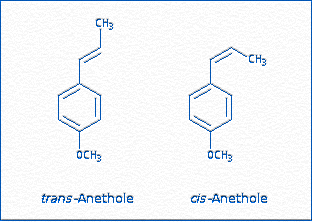
This species which is used in herbal medicine is reported to evoke phytophotodermatitis (Kuske 1938, 1940, cited by Pathak et al. 1962). This species apparently blisters the skin (Wicht 1918, cited by Watt & Breyer-Brandwijk 1962). Five species are native to the south-western United States. One of the species is cultivated. This species yields a furanocoumarin (Nielsen 1971). 150 species are found in Eurasia, one species in Pacific North America, a few species in South America. Pimpinella magna is cultivated. Pimpinella heyneana, Pimpinella magna, and Pimpinella saxifraga yield 5-methoxypsoralen (Nielsen 1970). The condiment, aniseed, was taxed by Edward I (1239–1307) for revenue to repair London Bridge. The oil from the plant is slightly irritant and may inflame the skin (Piffard 1881). In a case of dermatitis from denture cream and gum-drops, Oil of Anise 1.1% produced a positive patch test reaction, negative in the same vehicle in controls (Loveman 1938). Since Oil of Anise contains about 90% anethole, the patient was patch tested with anethole; a positive reaction was observed, negative in controls. Positive patch test reactions were also observed from Oil of Fennel (Foeniculum vulgare Mill.), which contains about 60% anethole and with Oil of Coriander (Coriandrum sativum L.) which does not contain anethole. Loveman (1938) suggested that the patient showed multiple specific sensitivity to Coriandrum sativum from eating dill pickles (Anethum graveolens L.) which are flavoured with Oil of Coriander. In the patient who was tested, Oil of Caraway (Carum carvi L.) produced a negative reaction. A volatile component of Oil of Anise appeared to be responsible for the dermatitis. Anethole was reported by Hjorth (1967) to be the sensitiser in a case of toothpaste sensitivity but no clinical detail was provided. Aniseed was listed as an agent of cheilitis and stomatitis (Zakon et al. 1947). Oil of Aniseed and anethole appear to be both irritant and sensitising (Greenberg and Lester 1954). Hypersensitivity to Oil of Aniseed was observed in candy workers (Schwartz 1934).
According to Flück & Jaspersen-Schib (1976), an infusion of the root may be used as an application for wound healing — see also Pimpinella saxifraga below. The roots of Pimpinella major have been reported to contain pimpinellin and sphondin (Nielsen 1971); the phototoxicity of these furocoumarins has been documented. Preparations of the root are recognised for their vulnerary activity in folk medicine (Flück & Jaspersen-Schib 1976), being used as a poultice or in a bath for treating wounds (Stuart 1979). The roots of Pimpinella saxifraga have been reported to contain bergapten, pimpinellin, and sphondin (Nielsen 1971); the phototoxicity of these furocoumarins is well documented. Heracleum concanense yields 5-methoxypsoralen from the fruits (Nielsen 1970). The genus Pinda P.K.Mukh. & Constance is monotypic. The plant is found in the Western Ghats, a mountain range in India (Mabberley 2008). 30 species are found from the Mediterranean region to central Asia. Six species yield linear furanocoumarins (Nielsen 1971). The leaves and blossoms of this plant which grows wild in central Asia were observed to produce a pruritic papular dermatitis followed by hyperpigmentation which persisted for three to six months; patch tests to alcoholic extracts of the leaves and flowers produced positive reactions; to the seeds and stems, negative reactions (Bocharov et al. 1963). This species which has been used to lubricate chapped hands in herbal medicine has been reported to cause dermatitis (Engel and Horn 1972). Four species yield linear furanocoumarins (Nielsen 1971).
In traditional Chinese medicine, a decoction of the plant is used to wash foul sores (Stuart 1911). This species is said to have irritant properties (Pammel 1911). From Australia, Hurst (1942) states that the plant is reported to produce skin irritation in the United States. Nielsen (1971) records six linear furanocoumarins from this species. Various forms of this plant from which a plaster is made have produced dermatitis of the hands and face (Prosser White 1934). Incorrectly citing Berhard Smith (1905) as the source of his information, Pammel (1911) listed Elaeselinum asclepium [sic] as being irritant. In fact, Berhard Smith (1905) made no mention of this plant in his work. See also Thapsia foetida L. below. Incorrectly citing Berhard Smith (1905) as the source of his information, Pammel (1911) listed Elaeselinum foetidum [sic] as being irritant. In fact, Berhard Smith (1905) simply included Thapsia foetida in a list of plants reputed to be poisonous, providing no detail as to the nature of the toxicity. Theophrastus (c. 350–287 BCE) wrote that according to statements from druggists and herb-diggers:
The juice irritates and causes swelling of the hands and face of workmen employed in making an extract of the plant. Its acrid principle is a resin which causes severe itching vesication and ulceration with scarring when applied to the skin (Dispensatory 1884, cited by White 1887). An alcoholic solution of the resin is strongly rubefacient (Courchet 1882). Irritation by medicinal applications was noted by various authors cited by Piffard (1881), by Sabouraud (1900), and by Lacassagne & Joly (1927). In NW Morocco the plant is known locally as addaryas; Merzouki et al. (2000) record that oil from the plant is applied externally with friction for swellings and wrinkles. In a list of poisonous plants, citing earlier literature as the source of his information, Pammel (1911) described this species as irritant.
The plant is known to cause a skin rash in "susceptible" persons when wet (von Reis Altschul 1973).
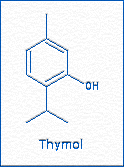
Ajowan oil, a perfumery raw material, is obtained by steam distillation from the seeds. It was at one time official in pharmacopoeias (as Oleum Ajowan). The oil is rich in thymol, which constitutes 45–55% of the oil (Todd 1967), and was at one time used commercially as a source of this substance (Arctander 1960). Ajowan seeds are an important food spice in Indian cuisine. Various aromatherapy publications include ajowan oil in listings of phenolic essential oils not to be used on the skin. Nevertheless, Guba (2000) admits to using ajowan oil in concentrations up to 10% in massage oils. Although ajowan oil appears not to have been the subject of dermatologic investigation, thymol has occasionally been reported to elicit allergic contact dermatitis. At least two cases (Fisher 1989, Lorenzi et al. 1995) have followed from the use of thymol-containing solutions for the treatment of chronic paronychia. A further case was associated with the use of a thymol-containing toothpaste (Beinhauer 1940, Sainio & Kanerva 1995). Larsen (1977) observed positive patch test reactions to thymol in a study of 20 patients with perfume dermatitis. However, two contact dermatitis patients patch tested by Reichert-Pénétrat et al. (2001) in France did not react to thymol; and none of 1200 patients investigated by Santucci et al. (1987) in Italy reacted to thymol. Patch testing has normally been performed with thymol 1% in petrolatum as originally recommended by Rostenberg & Sulzberger (1939). An ointment containing thymol was formerly used in Western medicine as a local application in burns, eczema, psoriasis, tinea, lichen, and other cutaneous affections and as a parasiticide (Felter & Lloyd 1898). Myers & Thienes (1925) reported that thymol destroyed a pathogenic yeast-like organism responsible for an occupational dermatosis in persons packing fruit for the canning industry, known as "fruit poisoning". References
|
|
|
url |




 0000-0002-2678-0784
