|
|
|
LEGUMINOSAE(Pea or Bean family)• Medicinal / Folk-medicinal aspects: • About 16,400 species in over 657 genera are of cosmopolitan distribution, living in every soil and climate. Trees, shrubs, water plants, xerophytes and climbers are represented. The roots of most species bear tubercles containing bacteria of the genus Rhizobium and plants provided with these tubercles are able to take up more atmospheric nitrogen. The plants appear to consume the nitrogen-rich bacteria which live in their cells. The family is also known by the name Fabaceae. The family is divided into Mimosoideae and Caesalpinioideae which are mostly tropical and Lotoideae (Papilinioideae) which are both tropical and temperate (Harborne et al. 1971). 12 species are found in tropical regions. Abrin, a toxic principle of the seeds, is irritant to the mucous membranes. Ricin from Ricinus has similar but milder actions. The juice of the plant is irritant to the mucous membranes (Watt & Breyer-Brandwijk 1962). The hard red seeds with black tips (known as crab's eyes) are strung into necklaces and rosaries and are used as weights and tourist souvenirs and in "pea-shooters". Dermatitis can occur on the neck of persons who wear necklaces made by piercing the seeds and threading them on a string (Behl et al. 1966). The seed material is irritant to the eye and has been used for the purpose of malingering (Burkill 1935, Somerset 1945, Somerville-Large 1947, Morton 1971). The seeds may be coated with lacquer (Rhus vernicifera). Perhaps 800 species are found in tropical and sub-tropical regions. Thorns capable of causing mechanical injury are a feature of these plants. The various thorn types and arrangements are used in the classification of plants in this genus (Codd 1951). The thorns of some house stinging ants. The common name, acacia, is applied also to Robinia species. The tip of the thorn of "acacia", possibly of this genus, retained in the ciliary body produced severe recurrent iriodocylitis (Paufique and Hugonnier 1966). The pollen is suspected of causing hayfever (Wodehouse 1971). Contact with the pollen can cause dermatitis (Rowe 1931). According to Gardner & Bennetts (1956), the common name mulga is used for a number of Acacia species. They also record that the wood of mulga species causes festering if the skin is scratched. Earlier, Cleland (1943) recorded that slivers of the wood are said to have a poisonous effect and can produce cutaneous granulomas.
The branches of this small tree are armed with stipulary thorns; the petioles are also sometimes armed with a row of prickles (Pereira 1842, Felter & Lloyd 1898, Stuart 1979). The heartwood yields a brown dye known as cutch, black catechu, or catechu nigrum, which may be used medicinally as an astringent and also in dyeing or tanning. Pale catechu, which has similar medicinal properties, is derived from the unrelated plant Uncaria gambir Roxb., fam. Rubiaceae (Trease & Evans 1966). Black catechu is one of the original dyes used to produce khaki-coloured fabric for military uniforms. Dermatitis from khaki uniforms probably resulted from fabric finishes or chromate rather than from the dye itself (Peterkin 1948, Hellier 1960) although effects of the dye could not be excluded (Davies and Barker 1944). Wren (1975) notes the use of an extract from leaves and young shoots to check haemorrhages, and as a local application in relaxed sore throat and sponginess of gums. Stuart (1979), on the other hand, refers to the use of the boiled and strained aqueous extract of the heartwood as an astringent for inflamed conditions of the throat, gums, and mouth and also externally for boils and chronic ulcers. These uses noted by Wren (1975) and Stuart (1979) were described in greater detail by Pereira (1842) and by Felter & Lloyd (1898). In traditional Chinese medicine, the dried extract from the peeled branches and stems of Acacia catechu provides er cha, which has haemostatic activity (Stuart 1911, Huang 1993). A herbarium note found by von Reis Altschul (1973) on a specimen of this plant collected in El Salvador warned that the spines were inhabited by ants (see also The Super-Nettles). Gardner & Bennetts (1956) include this species in a list of plants known or suspected of causing urticaria or skin irritation. Scratches from the wood are notable for festering (Cleland 1931). The familiar "mimosa" of florists is usually this species. Oil of Mimosa of perfumery is said to cause contact dermatitis (Greenberg and Lester 1954). Bancroft (1887) extracted a crude saponin from the seed pods of a tree thought to be this species and prepared a solution in water. A little of this solution applied to the conjunctiva of a dog was severely irritant, causing pain, conjunctivitis, and corneitis. After the inflammation subsided there were opacities of the cornea. Later authors recording mucous membrane irritancy of a saponin from this species, for example Hurst (1942), probably derived their information from this original publication. Mechanical injury can occur from the spines. A very fine, yellow powder thought to come from the bark of the brigalow tree caused itching and irritated the skin, producing an eruption known as "brigalow itch" (Maiden 1921a). According to Cleland (1943), the wood can cause eczema in wood-workers. A hairy grub which attacks yarran trees leaves behind a large bag which, when it comes into contact with the body, causes an intense irritation (Maiden 1921a). Cattle who eat the plant are said to develop dermatitis (Hurst 1942). Patch tests carried out using the leaves of this species crushed in a small quantity of normal saline elicited positive reactions in 4 of 25 contact dermatitis patients tested in New Delhi, India (Singh et al. 1978). This thorny South African species, which is used as a barrier or hedge (Willis 1973), is capable of causing mechanical injury (Aplin 1976).
A herbarium note found by von Reis Altschul (1973) on a specimen of this plant collected in Costa Rica warned that the hollow thorns were inhabited by ants … which sting severely (see also The Super-Nettles). The wood can produce dermatitis and rhinorrhoea in woodworkers (Cleland 1925, Burry 1969). Patch tests produced negative results (Robertson 1926).
[Information available but not yet included in database] [Information available but not yet included in database] A hairy grub which attacks myall trees leaves behind a large bag which, when it comes into contact with the body, causes an intense irritation (Maiden 1921a). The branches of this small shrubby Kenyan tree bear straight, slender, white spines up to 3 inches long. On these thorns large galls are formed … hardening and turning black and becoming inhabited with ants in age (Menninger 1967). White (1888) wrote that he had been told that "it was a well-known trick in green-houses to shake a plant of Acacia pubescens over a green workman to excite an itching of the skin." Aplin (1976) includes this species in a list of spiny plants capable of causing mechanical injury. The bark or possibly caterpillars on the bark can produce irritation (Cleland 1931). Flavonols may be responsible (Hausen 1970). Slivers or splinters of the wood, known as Australian lancewood, were said to cause painful wounds "like snake-bite" (Maiden 1919, Cleland 1925). The genus comprises 13 species of trees found in tropical Asia, Australia and the Pacific region (Mabberley 2008). Some species of this genus yield lapachol (Gibbs 1963) a sensitiser of Tectona grandis L.f., fam. Labiatae.
The handsome red seeds, known as Circassian beans, are used in necklaces and other novelties (Morton 1962a). [Further information available but not yet included in database] This species is the source of a commercially valuable timber known variously as afzelia, doussié, and lingue. It is also known as African mahogany, a name more usually applied to the timber from various Khaya A.Juss. species (fam. Meliaceae). This and possibly other species of this genus, notably Afzelia bipindensis Harms can produce dermatitis and respiratory symptoms in woodworkers (Raymond 1959, Irvine 1961, Zafiropoulo et al. 1968, Hublet et al. 1972, Hausen 1970, Oleffe et al. 1975a). 100 or possibly 150 species are found in warm regions of the Old World. The fragrant wood of A. odoratissima is known as Ceylon rosewood. The leaves of A. coriaria Welw. ex Oliv. form a lather known as Poor Man's Soap. The bark of A. lebbeck Benth. contains saponins and is also used as a soap. The West African timbers are known in industry. Albizia falcata Backer ex Merr., A. ferruginea Benth., A. lebbeck Benth. and A. tanganyicensis Baker f. known as batai, kokko and siris and other species of this genus have been reported to cause upper respiratory symptoms in wood-workers (Lewin 1928, Griffione 1949, Vorreiter 1949, Farmer 1972, Sandermann & Barghoorn 1956, Hausen 1970). Some species were formerly placed in the genera Acacia and Calliandra.
The pollen acts as a severe irritant to the eyes (Codd 1951, Watt & Breyer-Brandwijk 1962).
In traditional Chinese medicine, the tree is known as ho huan and the bark provides the crude drug he huan pi. A gummy extract prepared from the bark has been used as a plaster for carbuncles (Stuart 1911). See also Ligustrum lucidum W.T.Aiton, fam. Oleaceae.
[Information available but not yet included in database] According to an herbarium note found by von Reis Altschul (1973) on a plant collected in the Philippine Islands, the juice squeezed from bark scraped from this plant is applied to the hair to remove dandruff.
[Information available but not yet included in database] 35 species are native to tropical American and Africa. Some yield lapachol (Krogh 1964) which is a sensitiser of Tectona grandis L.f., fam. Labiatae.
Araroba is a brown-purple coloured concretion found in cavities in the trunk of this Brazilian tree. When dried and powdered, it provides Goa Powder. It contains approximately 50% of chrysarobin (Martindale & Westcott 1924), a mixture of neutral anthraquinone derivatives comprising mainly chrysophanol anthrone / chrysophanol anthranol [= 1,8-dihydroxy-3-methyl-9-anthrone] and physcion anthrone / physcion anthranol [= 1,8-dihydroxy-3-methyl-6-methoxy-9-anthrone] (Simatupang et al. 1967, Claus et al. 1970). A small amount of free chrysophanic acid [= chrysophanol] is also present in Goa Powder. The name chrysarobin is also applied to the pure substance 1,8-dihydroxy-3-methyl-9-anthrone which makes up about 30% of the naturally occurring mixture (Strakosch 1944). Goa powder [= Crude Chrysarobin] was introduced into Western medicine in 1878 by an English dermatologist, Balmanno Squire (Strakosch 1944). It was prepared as a paste or ointment and used for psoriasis, dermatophyte infections: "herpes circinatus, porrigo scutulata, porrigo decalvans, sycosis", eczema, lichen, acne and other skin diseases (Felter & Lloyd 1898). Chrysarobin [= Araroba Depurata] extracted from Goa powder has similarly been used (Felter & Lloyd 1898, Todd 1967). The Indian mode of using the drug was to cut a lime fruit, dip it in the powder and dab it on the affected skin. The Brazilians mix it with vinegar (Martindale & Westcott 1924). Ward (1920) described the case of a patient with psoriasis who used chrysarobin ointment (5 grains to the ounce = approx. 1% w/w) to control the disease. Wishing to hasten a cure, he applied the ointment at double strength. This produced a psoriasis-like eruption which subsided when he stopped using the higher strength ointment and returned to using the lower strength. This propensity for chrysarobin occasionally to provoke a more severe form of the malady that it appeared to cure had earlier been recorded by Felter & Lloyd (1898), who noted also that applications of chrysarobin to the face or scalp produced erythema with swelling and cuticular desquamation, and reddening of the conjunctiva. Intensely painful inflammation lasting several weeks, associated with a recurrent crop of boils could also ensue. Chrysarobin has now largely fallen out of use, having been replaced by dithranol in the treatment of psoriasis, and by much safer modern antifungal agents in the treatment of dermatophyte infections. The timber is used locally for construction (Hausen 1981a). The sawdust irritates the eyes of workmen (Record & Hess 1943, McCord 1958); and is irritant to the respiratory tract (White 1887). In industrial accidents, chrysophanic acid has produced conjunctivitis and keratitis (Duke-Elder & MacFaul 1972b). The tree can cause dermatitis in wood-workers. This common name is also applied to Brosimum guianense (syn. Piratinera guianensis), fam. Moraceae and Livistona inermis, fam. Palmae (Lewin 1928). According to Woods and Calnan (1976), a report of cough and urticaria from partridge-wood by Friese (1932) seems to refer to this species not to Pithecolobium. The wood contains an isoflavonoid which is related to dalbergiones (see Dalbergia) and biochanin A which is retated to ayanin (see Distemonanthus) (Cocker et al. 1962). The wood has been known as grenadilla and used for musical instruments (Hausen 1970). Dermatitis from musical instruments (Stern 1891) seems to have been from Dalbergia.
Sandermann & Barghoorn (1956) noted that the wood from "Caesalpinia apuleia molaris Benth." has been reported by Freise (1936) to have caused poisoning in a worker who suffered headaches, dizziness, and visual disturbances while working with fairly fresh wood, especially on hot days. This was accompanied by excessive salivation, nausea, and a feeling of pressure in the stomach area. At the same time, initially painless red spots appeared on exposed areas of skin on the arms, which later developed into very itchy blisters. He also developed painful swelling of his arms and hands. Oxyayanin A & B, allergens of Distemonanthus benthamianus Baill. [see below], have been isolated from the wood (Braz Filho & Gottlieb 1968, 1971). Confusion over the nomenclature of the genus was discussed by Woods and Calnan (1976). Now, morphological evidence indicates that although there is great variation in Apuleia, the genus cannot reliably be separated into different species or infraspecific taxa. Accordingly, the genus is considered to be monospecific (de Sousa et al. 2010). Peanut oil was reported to cause a local reaction and generalized urticaria when used as an injection vehicle (Chafee 1941). Contact dermatitis of the fingers from peanuts was reported by Waldbott and Shea (1948). Octyl gallate added to peanut butter as an antioxidant, can cause dermatitis (Van Ketel 1978). [Information available but not yet included in database] This and other species yield Gum Tragacanth which has been reported to cause respiratory allergy (Greenberg and Lester 1954). Cross-sensitivity was observed to Gum Arabic [Senegalia senegal Willd.; see below] and to Gum Karaya [Sterculia urens Roxb., fam. Malvaceae]. Ingestion of Astragalus pectinatus, containing selenocystathionine, can cause hair loss (Schoental 1965). Wimmer (1926) published a drawing of the spine-tipped leaf ribs, a potential cause of mechanical injury to the skin. This species yields a valuable timber, the wood dust from which has been reported by Ordman (1949) to cause respiratory symptoms in wood-workers. A red dye derived from the wood is used as a cosmetic in Africa (Irvine 1961). The sawdust is very pungent, like snuff (Holtzapffel and Royle 1843). The woods of this species and of Campsiandra laurifolia are both colloquially named acapu rana (false acapu) or manaiara. Men sawing the wood of acapu rana suffer headaches and sometimes vomiting (Freise 1932).
[Information available but not yet included in database] Allergic contact dermatitis was observed in a cabinet-maker from exposure to the saw-dust of this species (Heyl 1966). Positive patch test reactions were observed to 2,6-dimethoxy-para-benzoquinone and to two other quinones derived from the wood. The patient was also contact sensitive to Dalbergia and dalbergiones (Hausen et al. 1972). A herbarium note found by von Reis Altschul (1973) on a specimen of this plant collected in the Transvaal noted that the leaves are used as a disinfectant for wounds. Seven species are native to central America and the West Indies. During the nineteenth century cocus wood replaced boxwood as the favorite wood for flutes, though it was known to cause irritation of the lips in some players (Rockstro 1890). According to Woods and Calnan (1976) the wood of a flute made of grendadilla or red ebony which caused dermatitis of the lip and chin (Stern 1891) was almost certainly Cuban cocuswood. Flute makers who sawed cocus wood were said to develop dermatitis (Crocker 1903). Dermatitis of the face from cokus (Thompson 1914) may refer to this species. An instrument maker who had dermatitis showed a positive patch test reaction to cocus wood but evidence for contact with the wood was circumstantial (Schröpl 1935). The bark, if chewed, produces salivation, tingling of the tongue, thirst, cracked and swollen lips, itching of the scalp and a hot feeling to the face. These symptoms disappear after half to one hour (Irvine 1961).
The seeds of this tree, when pounded with lemon juice (Citrus × limon (L.) Osbeck, fam. Rutaceae) and applied locally, act as a powerful rubefacient (Chopra et al. 1960). The red juice when dried is known as Bengal kino. The bark is used as a rubefacient and the pounded seeds have vesicant properties (Dalziel 1937, Quisumbing 1951).
Freise (1932) included these among leguminous woods which caused skin irritation. Swartzia tomentosa is also known as muirapixuna (Record & Hess 1943). Maiden (1891) notes that Mezoneurum scortechinii is locally called "the barrister" - because its spines are hard to get away from. He also notes that the name "lawyer" is commonly applied in News South Wales and elsewhere to plants with prickly stems. According to an herbarium note found by von Reis Altschul (1973) on a specimen of this plant collected in Brazil, an infusion of the leaves is used to bathe swellings and sores. 100 species are found in Madagascar, and warm regions of Asia and America. The sap is irritant to the eye and the powdered seeds are used to produce sneezing (Dalziel 1937). This Mexican species is listed as a cause of dermatitis by Sandermann & Barghoorn (1956). The wood of this species and of Batesia floribunda are both colloquially named acapu rana (false acapu) or maniara. Men sawing the wood of acapu rana suffer headaches and sometimes vomiting (Freise 1932). Fissures and cavities in the wood of the Japanese nut tree, which has been used to produce hand-carved objects, contains a powder that stains the skin and can cause conjunctivitis, keratitis, iritis, and dermatitis (Iwakawa 1911, Prosser White 1934). Contact with the bark can produce dermatitis (Uhe 1974). This species can produce irritation of the nasal cavity and dermatitis in wood-workers (Maiden 1909b, Boas 1947). Eight men working the timber developed nasal irritation and nosebleeds (Aldersley 1925). The sawdust was reputed to cause eczema in certain sensitive persons (Cleland, J.B. in discussion of Aldersley 1925).
The dry sawdust from Samanea dinklagei is irritant to the respiratory tract (Dalziel 1937). The bark is pounded and used as soap suggesting the presence of saponins. According to Hausen (1970) ill-effects from zebra wood may refer to this species or to Astronium. The pods (algarroba, St John's bread) are full of juicy pulp containing sugar and gum, and are used for fodder. The seeds are said to have been the original of the carats of jewellers. The pollen is suspected of causing hayfever (Wodehouse 1971). Prosopis species are also known as algarrobo trees. According to an herbarium note found by von Reis Altschul (1973) on a specimen of this plant collected in Ecuador, the leaves are used bruised for skin eruptions.
In an investigation of "weed dermatitis", an extract of this plant produced negative patch test reactions (Shelmire 1939a). In France, cultivators of this food plant have been observed to develop dermatitis (Gougerot 1952). A chick pea was used to produce a factitial eruption (Downing 1950). Four species are native to eastern Asia, one species to eastern North-America. C. tinctoria, known as yellow wood, yields a dye.
Schwartz et al. (1957) include Cladrastis lutea in a list of irritant woods but do not provide a source for this information. Confusingly, they note also that the wood from this species may be called Florida boxwood. Florida boxwood is the common name for the completely unrelated Schaefferia frutescens Jacq., fam. Celastraceae. Several species, notably Copaifera officinalis L. yield resins (copals), balsam of Copaiba and Oil of Copaiba. Balsam of Copaiba was said to produce contact urticaria (Rost 1924). Seven of 13 patients contact sensitive to balsam of Peru [see Myroxylon balsamum Harms below] showed positive patch test reactions to balsam of Copaiba. The timber from this species (named purpleheart) was described as toxic by Großmann (1920) and was listed as injurious by Hanslian and Kadlec (1966). However, purpleheart is now known to be derived from Peltogyne Vogel species and not from Copaifera bracteata (Record & Hess 1943, Thiébault 1965).
This horticultural shrub which is naturalized in Devon, England is potentially phototoxic from a content of psoralen (Pathak et al. 1962).
The seeds contain psoralen. Over 500 species are found in tropical and sub-tropical regions. Some yield hemp fibres. Ingestion of some species, notably C. burkeana, can cause laminitic crotalism in some animals. Some species of animals appear to be unaffected. The disease is characterised by inflammation of the horn-forming membrane and thickening of the hoof to form a type of onychogryphosis (Watt & Breyer-Brandwijk 1962, Verdcourt and Trump 1969).
Psoralea corylifolia has been used for a phototoxic effect in the treatment of vitiligo since about 1400 B.C. (Behl et al. 1966, Singh et al. 1974). The seeds are currently so used but can cause severe reactions (Behl et al. 1966). [Further information available but not yet included in database]
Dermatitis of the hands, face and exposed skin surfaces has been observed in farmers who cultivate this plant (Behl et al. 1966). This species is listed as injurious to the skin in several reviews. Systemic toxicity from the alkaloid, cytisine, is documented. Orsler (1973) lists the wood as producing dermatitis and respiratory symptoms. 300 species are found in tropical and sub-tropical regions and in South Africa. Many species yield valuable timber, for example:
The colloquial and trade names of the woods from these species are confusing. Pallisander and jacaranda are other common names for Dalbergia; Jacaranda is also a botanical genus name. The species used in industry and the trade names are listed by Beekman (1964). Caviuna as a cause of dermatitis (Rotberg 1938) may refer to Amerimnon (syn. Dalbergia). Barroso (1947) refers to this common name for Dalbergia nigra. The wood from Dalbergia species has previously been confused with Coccoloba, cocus (Brya), and with other woods. Like many other woods of this family, cocobolo possesses to a very high degree, the valuable characteristics of density, colour and durability. Strong, hard, compact and fairly heavy, easily worked, of extreme durability, it is naturally in high favour with the cutlery and turnery trade. In colour the wood varies from a light reddish-orange to a deep rich red or rose, beautifully marked with numerous, irregular, concentric markings of deep or black purple. An oily substance present in the wood not only makes it susceptible of a high degree of finish, but also tends to waterproof it and make it resistant to the influence of moisture, even when left in contact with water indefinitely. It is this latter characteristic which is mainly responsible for the supreme position that cocobolo holds in the cutlery trade. It is used for knife handles, brush backs and small tool handles, chessmen, musical and scientific instruments, butts of billiard cues, etc. (Garrett 1922). The saw-dust can cause contact dermatitis in wood-workers (Garratt 1922, Rothberg 1938) and is among the six common causes of such dermatitis in France (Zafiropoulo et al. 1968). An instrument maker developed dermatitis of the exposed skin surfaces from wood dust derived from a room adjoining that in which he worked (Schröpl 1934). In another instance, the wood dust responsible for the dermatitis was derived from an adjacent factory (Findley 1972). Cross-sensitivity to Machaerium scleroxylon was observed (Heyl 1966, Hausen et al. 1972). The allergenic chemicals are dalbergiones (Schulz and Dietrichs 1962). The chemistry of these compounds is recorded by Ollis (1968), Harborne et al. (1971), Seshadri (1972). The finished wood can also produce dermatitis at sites of contact. Fluteplayers developed dermatitis of the lips from wooden mouthpieces (Stern 1891, Meister 1934, Griebel 1935). Wooden knife-handles caused dermatitis of the hands (Levin 1939, Howell and Blair 1950). Hair-brushes caused dermatitis of the hands (Mackee 1913). Carving a knitting bag handle produced dermatitis (Abramowitz and Swarts 1938). Bracelets and necklaces produced dermatitis at the contact sites (Blaisdell 1924, Levin and Behrman 1939, Howell and Blair 1950, Leider and Schwartzfeld 1950). Botanical identification of finished wood is a difficult task. Reports of dermatitis from cocobolo, palisander and jacaranda may refer to Dalbergia (Tottie 1939, Escartefigue 1935, Modlmayer 1931, Touraine et al. 1934). Some other reports of dermatitis from bracelet, brooch and knife (Hollander 1941) may refer to these woods. Patch testing with woodshavings and with an ether extract of the wood diluted with corn oil was recommended (Howell and Blair 1950). Several authors report flares of dermatitis following patch testing. Woods and Calnan (1976) reported eight patients contact sensitive to rosewood (Dalbergia spp.), seven men and one woman, aged from 46–60 years. Their occupations were musical instrument maker, wood machinist (2), cabinetmaker (2), timber yard foreman, veneer preparer and housewife. Some of them reacted to other woods, probably by multiple specific sensitivity. All eight patients showed positive patch test reactions to rosewood dust; two who were tested to dalbergione, 0.1% in petrolatum, showed positive reactions. Three who were tested to Primula showed negative reactions. Primula and Dalbergia can cross-react. Cross-sensitivity between Primula and Dalbergia results from a chemical relationship between primin and dalbergiones (Hjorth et al. 1969). Hausen (1970) cites references for the individual species: Dalbergia latifolia (Stern 1891, Garrett 1922) Chemistry (Eyton et al. 1962, 1965). Dalbergia melanoxylon (Großmann 1910, Nestler 1924, Meister 1934). Dalbergia nigra (Escartefigue 1935, Touraine et al. 1934, Schulz 1962). Chemistry (Eyton et al. 1965). Dalbergia retusa (Abramowitz and Swarts 1938, Blaisdel 1924, Großmann 1910, Lewin 1928, Moll 1950, Nordin 1947, Record and Garratt 1923, Howell 1950, Leider and Schwartzfeld 1950, Levin 1941, Levin and Behrman 1939, Moldmayer 1931, Meister 1934, Schulz and Dietrichs 1962). Dalbergia variabilis, D. lanceolaria, D. toxicaria are also noted. This woody climber bears stout spines on its main stems (Codd 1951). According to Woods and Calnan (1976) citing Record & Hess (1943), Dalbergia cearensis is probably the "kingswood" that Freise (1932) called Machaerium violaceum Ducke. He described it as a very severe skin irritant, often leading to persistent ulceration.
The above species are trade named palissandre asie. Sternberg (1908) - urticarial rashes and swellings in carpenters working with Indian rosewood. Escartefigue (1935) - dermatitis from necklace and bracelet of Madagascar palissandre. Findley (1972) - Dermatitis in a man who had only indirect contact with D. latifolia sawdust. D. latifolia and D. cochinchinensis contain R-4-methoxydalbergione and other quinones (Dempsey & Donnelly 1963, Donnelly et al. 1968, Donnelly et al. 1969).
According to Woods and Calnan (1976), in England, clarinets are usually made of African blackwood. This wood is often used for flutes and other instruments, especially in Germany. Moll (1950) noted that the wood was known in the trade to be irritant. Woods and Calnan (1976) reported two cases of contact dermatitis from D. melanoxylon (African blackwood). Both of them were employed in making the musical instrument, clarinet. Patch tests to the wood-dust produced positive reactions. One of the patients was also patch test positive to the wood-dust of teak (Tectona grandis L.f., fam. Labiatae). Control tests were not recorded. Dalbergia melanoxylon contains several quinones including S-4'-hydroxy-4-methoxydalbergione (Donnelly et al. 1969) and S-4-methoxydalbergione (Hausen 1970) which is also found in Dalbergia violacea (Eyton et al. 1965). According to an herbarium note found by von Reis Altschul (1973) on a specimen of this plant collected in the Philippine Islands, the juice from the pounded bark and leaves is applied to wounds.
Dalbergia cubilquitzensis and Dalbergia spruceana have the same common names. Gougerot & Blamoutier (1922b) — cabinet maker working with palissandre developed dermatitis of the face and hands. The botanical source of the wood was not stated. Gougerot and Delay (1932) - Pallisandre dermatitis associated with lacrimation, sneezing and coughing. The botanical source of the wood was not stated. Touraine et al. (1934) - identified the 'palissandre des Indies' in their case as D. nigra but according to Woods and Calnan (1976) their botanical remarks are not impressive and its origin suggests D. latifolia. Tottie (1938) - dermatitis in three carpenters using jacaranca envaco which is a Brazilian name for D. nigra not to be confused with Jacaranda. Freise (1932) - dermatitis in forestry workers handling various kinds of jacaranda. Barroso (1947) - dermatitis from caviuila (D. nigra). Gronomeyer and Fuchs (1957) - asthma from D. nigra. D. nigra contains R-4-methoxydalbergione and other quinones (Schulz and Dietrichs 1962). D. nigra is now in short supply, and the more irritant Machaerium scleroxylon and sometimes substituted for it (Eyton et al. 1965).
Dalbergia granadillo (syn. Amerimnon granadillo) has the same common names as D. retusa, Dalbergia hypoleuca and Dalbergia spp. Nestler (1912) - moist sawdust; alcohol and benzol extracts of sawdust. Mackee (1913) - sandpapering of cocobolo hairbrushes. Pittier (1918) - botanical source of cocobolo. Record & Hess (1943) - botanical source of cocobolo. Record and Garrett (1923) - botany. American trade reports of dermatitis gave an incidence of 10-30 percent in wood-workers exposed to the fine dust. The eruption began on the face and hands and in severe cases, became generalized with conjunctivitis. The fine dust was responsible, mainly in hot weather. Levin (1941), Leider and Schwartzfeld (1950), Howell and Blair (1950) - localized dermatitis from contact with knife-handles, bracelets, recorders and other finished articles made of cocobolo wood. Anon (1933), Steinbrinck (1950), Hausen (1970), Meister (1934) - wood of the musical instrument, the recorder, causing dermatitis of the face. Eaton (1973) - nasal irritation and espiratory allergy in workers finishing and sanding cocobolo wood. D. retusa contains S-4'-hydroxy-4-methoxy dalbergione, R-4-methoxy dalbergione and other quinones and phenols (Schulz and Dietrichs 1962, Hausen 1970). Orsler (1973) received trade reports of dermatitis from this wood. It is used to make the musical instrument, xylophone. It contains a dalbergione (Hausen 1970). Chemistry of Dalbergia spp. Earlier workers, summarized by Sandermann & Barghoorn (1956) blamed flavones, saponins and glycosides for the irritant effects of rosewood, but the discovery of sensitising quinones in other woods such as teak and mansonia led Schulz and Dietrichs (1962) to look for similar substances in D. nigra and D. retusa. They found three quinones which they called Dalbergia quinones A, B and C, and demonstrated by patch tests on patients that these were the sensitisers, the strongest being R-3,4-dimethoxydalbergione. Eyton et al. (1956) have studied the chemistry of this 'neoflavanoid' group of quinones in detail. They have now been found in other Dalbergia spp., Machaerium, Peltogyne Vogel and Goniorrhachis (Hausen 1970). Natural dalbergenones (dalbergiaquinones) of these species were reviewed by Seshadri (1972). African copaiba derived from species of this genus has been used to adulterate copaiba derived from Copaifera.
The roots of this and other species of Derris Lour. and Lonchocarpus Kunth are used to prepare derris dust, which has insecticidal and piscicidal properties. The principal active constituent is (−)-rotenone (otherwise known as tubatoxin). Workers who prepare the insecticide, and florists, gardeners, and horticulturists who use the insecticide can develop dermatitis. The clinical features suggest an irritant effect from the powder for the skin and eye rather than allergic contact dermatitis (Racouchot 1939, Dorne and Friedman 1940, Schwartz et al. 1957, Thienes and Haley 1972). Derris dust is irritating to the eye, producing a severe conjunctivitis which may lead to fatal pulmonary symptoms (Simons 1948). According to herbarium notes found by von Reis Altschul (1973) on a specimen of this plant collected in the Philippine Islands, the stem is applied for impetigo and the leaves are applied for oxyuriasis. 40 species are native to America and Madagascar. A. illinoensis was investigated for a role in weed dermatitis with negative results (Shelmire 1939). 20 species are found in southern tropical regions. The spines of some African species are said to produce irritant or poisonous effects if they penetrate the skin (Irvine 1961, Watt & Breyer-Brandwijk 1962). Two species are native to Guiana and the Amazon basin. This species is said to have injurious effects from the tryptamine which it contains (Hausen 1970). The wood is reported to be toxic (Baumer 1955). Alkaloids are present in the wood (Sandermann & Lange 1967).
This wood is named sucupira as is Bowdichia nitida. The sucupira wood reported by Heyl (1966) to cause dermatitis was identified by Hausen et al. (1972) as Bowdichia nitida. Ferreirea spectabilis is named yellow sucupira. This is a genus comprising perhaps 2 species found in tropical America (Mabberley 2008). Others formerly classified in this genus are now regarded as belonging to Coumarouna Aubl. or to Taralea Aubl.. The red coloured sawdust of this tree caused a workman's hair, when wetted, to turn to a bright grass-green colour (Thompson 1914, Bernhard-Smith 1923). Tonquin beans are a commercial source of coumarin (Thompson 1914). Woods and Calnan (1976) refer to a trade report of "poisoning" in a furniture factory from handling tonquin wood from the Philippines. This tree is sometimes named African or yellow satinwood and thus confused with Afrormosia laxiflora which it resembles and which bears the same vernacular name. The yellow pigment from the wood stains clothes (Irvine 1961). A male coffin manufacturer aged 56 years, developed contact dermatitis from sawdust and shavings, affecting the upper limbs, chest, legs, groins and dorsa of the feet. Patch test reactions were strongly positive to the flavonoid compounds oxyayanin A and oxyayanin B, weakly positive to ayanin and distemonanthin, negative in one control. Two varieties of ayan wood are known, one rich in oxyayanin B, the other rich in distemonanthin. The former seems more likely to cause sensitisation. A variation in extractive content such as this may account for the sporadic occurrence of ayan dermatitis (Morgan and Thomson 1967). Ayanin is the orange 3,7,4'-trimethyl ether of quercetin (Dean 1963) and thus related to rutin, one of the best studied glycoside flavonoids. The above report is the first implicating members of this group of compounds in plant dermatitis. Flavonoid compounds are widely distributed in plants (Geissman and Crout 1969). Eight of 22 furniture makers who had dermatitis showed positive patch test reactions to ayan. The wood dust may be irritant in factory conditions of heat and sweating (Woods and Calnan 1976). Several woods are known as vinhatico, e.g. Plathymenia sp., Chloroleucon vinhatico Rec. and Echyrospermum balthazarii. The wood which was reported by Freise (1932) to irritate the nose, eyes and other mucous membranes and identified by him as E. balthazarii was more likely the Brazilian species Plathymenia reticulata (Woods and Calnan 1976).
The juice of the bark causes conjunctivitis and irritation of the eye (Burkill 1935, Watt & Breyer-Brandwijk 1962).
The sawdust is "irritant" (Thiébault 1965) for the respiratory tract (Orsler 1973). The fine dust arising from machining the dry wood causes irritation of the mucous membranes of most individuals (Kukachka 1970). According to an herbarium note found by von Reis Altschul (1973) on a specimen of this plant collected in Mexico, a decoction of the roots is used as an insecticide against fleas on dogs. According to Mabberley (2008), 120 species are to be found in warm regions of Asia, Africa and the Americas. Several species are adorned with thorns capable of inflicting mechanical injury; some are for this reason planted as barrier hedges (Codd 1951, Corner 1952, Williamson 1955, Conn & Damas 2005g). The following species are representative:
The wood of this tropical American tree is noted as injurious from a content of alkaloid (Hausen 1970).
The common name "cry baby tree" alludes to the copious nectar that drips from the flowers of this small thorny tree. Other "rain-trees" are noted under Acer. The plant yields cystisine and related alkaloids (Richard and Luco 1944). 17 species are found in Africa, the Seychelle Islands, tropical and eastern Asia and Australia. The bark is irritant to the eye and nasal cavity and has a local anaesthetic action in the mouth (Irvine 1961, Watt & Breyer-Brandwijk 1962). The sawdust can produce dermatitis and sneezing in woodworkers (Watt & Breyer-Brandwijk 1962). An extract of the wood produced vomiting, respiratory symptoms, headache, dizziness and bradycardia (Lewin 1928). Hausen (1970) found alkaloids in the bark (but not in the wood). E. laboucheri in Australia and E. coumiga in Madagascar are probably also toxic (Golse 1937, Hausen 1970).
The source of Lignum Nephriticum was uncertain for a long time. The history is recorded by Stapf (1909). The wood, which was used medicinally as Lignum Nephriticum (Howes 1974), may be that described as irritant by Senear (1933) and Weber (1937).
The fine sawdust produced by machining the dry wood is said to produce sneezing and tearing in some individuals (Kukachka 1970). This is a genus comprising some 110 species found in western and south-western Australia (Mabberley 2008). They have a reputation for poisoning livestock (Gardner & Bennetts 1956) as a result of their ability to assimilate fluorine from the environment and store it as fluoracetate (Twigg et al. 1996). See also Dichapetalum cymosum Engl. (fam. Dichapetalaceae). Several varieties are recognised, these being distinguished from one another by their leaf form. The typical form has broad, stalkless prickly-margined leaves but at the other end of the range plants are found without any leaf prickles apart from a terminal spine (Gardner & Bennetts 1956).
Gardner & Bennetts (1956) provide a plate showing the distinctive prickly leaves of this shrub. The genus comprises about 87 species distributed from the Canary Islands through Europe and Mediterranean regions to western Asia (Mabberley 2008). Some may be found in cultivation as ornamentals (Hunt 1968/70). Several form spiny shrubs or shrublets capable of inflicting mechanical injury:
The genus comprises 14 species found mostly in India, Japan to New Guinea, but also in eastern North America and in north-eastern Argentina (Mabberley 2008). They form trees usually bearing stout branched thorns. Gleditsia triacanthos L., the honey locust, may be found in cultivation as an ornamental tree. The tree is thickly beset with thorns, which in Chinese traditional medicine are called tien ting. They are used in decoction (as are the leaves) as a wash in the treatment of ulcers and skin diseases. They are also used as needles for opening abscesses (Stuart 1911). The hairs on the pods are irritant to the mouth and gut and have been used for criminal poisoning (Burkill 1935). The plant is used for green fodder and yields soya beans. An oil is obtained from the seeds. A 'milk' made from the ground beans (soya) can have goitrogenic effects (Kingsbury 1964). Soybean meal was reported to cause respiratory allergy (Virchow 1965). Oil of Soya Bean has caused an acneiform folliculitis in industrial workers (Greenberg and Lester 1954). The beans when deliberately infected with Aspergillus are used to make Soy Sauce. Ketchup (Catsup) is derived from a Malaysian word, kechap: various flavours are added to ketchups and the fungus which is added may be derived from Hibiscus (Burkill 1935). Some yield aflatoxin. 18 species are found in temperate and sub-tropical America, temperate Eurasia, North Africa and south-east Australia. The crude drug Liquorice or Licorice Root, otherwise known as Radix Glycyrrhizae, is derived from this species. Three distinct varieties are recognised: Glycyrrhiza glabra subsp. glabra provides so-called Spanish Liquorice; Glycyrrhiza glabra var. glandulifera A.I. Galushko provides so-called Russian Liquorice; Glycyrrhiza glabra var. violacea Boiss. provides so-called Persian Liquorice (Remington et al. 1918, Trease & Evans 1966). In traditional Chinese medicine, the drug is known by the name gan cao or kan tsao. The name gan cao may apply also to liquorice root derived from Glycyrrhiza inflata Batalin or Glycyrrhiza uralensis Fisch. ex DC. (Huang 1993). Stuart (1911) and Remington et al. (1918) identify Glycyrrhiza echinata L. and Glycyrrhiza lepidota Nutt. ex Pursh as other sources of liquorice. In a text on Chinese materia medica, Stuart (1911) noted that a preparation of the root mixed with honey is applied to burns, boils, and other sores. In NW Moroccan traditional medicine, the roots are chewed to treat mouth infections (Merzouki et al. 2000). Nugmanova & Kalitina (1979) described three cases of contact dermatitis caused by liquorice, which may have been derived from Glycyrrhiza glabra or Glycyrrhiza uralensis. Excessive consumption of liquorice can produce symptoms similar to those of aldosteronism (Conn et al. 1968). According to an herbarium note found by von Reis Altschul (1973) on a specimen of this plant collected in El Salvador, the leaves are used to kill rats and as a poultice to bring boils to a head. The heartwood contains the known allergen 4-methoxydalbergione (of Dalbergia spp.) (De Sousa et al. 1967). The genus Goniorrhachis Taub. is monotypic, the single species being found growing naturally in south-eastern Brazil (Mabberley 2008). Cattle are said to eat the plant greedily and as a result to develop "black scours". The tongues become black and the hides acquire a bluish tint and become rough and bound (Maiden 1895).
The tree is reported to cause dermatitis in woodworkers (Zafiropoulo et al. 1968, Hausen 1970, Hublet et al. 1972, Oleffe et al. 1975a). Splinters (slivers) are known in the industry to be particularly prone to cause "festering" sores in the skin (Wilkinson 1971). The pink resin of the tree is burnt as an illuminant in Africa (Dalziel 1937). Respiratory irritation from the wood has not been noted (Orsler 1969). According to Woods and Calnan (1976) the wood "tola" which was reported by Symanski (1957) to produce asthma was probably this species rather than Oxystigma oxyphyllum Léonard. They reported two cases of dermatitis in machinists from agba with positive patch test reactions to the wood; one of the machinists also showed a positive patch test reaction to Distemonanthus. Four species are native to tropical America, eleven to tropical Africa. A gum copal derived from the tree is used in pharmacy for varnishes, lacquers and sealing wax and in the preparation of patent leather (Dalziel 1937, Oliver 1959). Three species are native to Mexico, Central America, the West Indies and South-West Africa. The heart-wood contains haematoxylin, used for dyeing and for making ink and microscopical stains. Dermatitis of the hands was said to be caused by haematoxylin in gloves. Patch tests to the glove gave positive reactions. The dye itself was not used for patch testing (Sezary and Deval 1932). Hypersensitivity to natural dyes can occur but dermatitis is rare among dyers or weavers of dyed furs (Schwartz et al. 1957). These authors also discussed skin hazards in the manufacture of ink, tannin, sumac (Toxicodendron, fam. Anacardiaceae), cutch (Acacia catechu), fustic (Maclura tinctoria D.Don ex Steud., fam. Moraceae), cashew nut shell oil (Anacardium occidentale, fam. Anacardiaceae) and turpentine (Pinus spp., fam. Pinaceae). 25 species are native to Mexico, Cuba and tropical South America. The wood is valuable. The wood causes skin irritation (Freise 1932). A resin (copal or anime) exudes from the stem and is often found in lumps underground near the trees, as in Agathis and Trachylobium. Dermatitis from copal resin is noted under Agathis. Copal resins are used in varnishes. 700 species are found in warm regions. Several species provide the dye, indigo. Dermatitis was common in the synthetic indigo dyeing process of textiles but there is no evidence that either the synthetic or natural indigo dye is irritant (Prosser White 1934). Women employed in shelling indigo develop an exceptionally long right thumb nail (Schwartz et al. 1957). Indigo appears to be at the most, only mildly irritant to the eye (Grant 1962). 200 species are native to tropical and sub-tropical America and the West Indies. The authenticity of a report of dermatitis from this wood (Schwartz et al. 1957) is doubtful since the colloquial name grenadilla is also applied to Brya ebenus and Dalbergia. The hands of wood-workers become stained black from handling the wood (Burgess 1966). Lapachol, a sensitiser of teak (Tectona grandis L.f., fam. Labiatae) is reported from some species (Thomson 1971, Krogh 1964). Orsler (1973) received unconfirmed reports of irritation from this species and from Instia bijuga. The sap is irritant to the skin and produces an inflammation like erysipelas (Burkill 1935). The hard timber of the felled tree is highly inflammable, more so when fresh than dead (Corner 1952). The plant has haemostatic properties (Irvine 1961). Exposure to the sawdust was said to cause constitutional symptoms (Lewin 1928). The wood and the seeds contain the poisonous alkaloid, cytisine. 130 species are found in north temperate regions and on mountains of tropical America and South America. Lathyrus odoratus is the sweet pea of horticulture. Photosensitivity is reported from ingestion of the plant (North 1967). Guinea pigs fed the seeds develop alopecia, slight dermatitis and ulcers on the hind legs (North 1967). The human disease, lathyrism, was reviewed by Watt & Breyer-Brandwijk (1962) and by Kingsbury (1964).
The young pods of this small evergreen bush or tree are eaten as a vegetable by Malays and the mature dried seeds are eaten raw (Burkill 1935, Corner 1952). Ingestion of the foliage can cause alopecia in some animals, particularly in horses and pigs; some other animals appear to be unaffected (Morris 1896, Hurst 1942, Irvine 1961, Watt & Breyer-Brandwijk 1962). The toxic principle is mimosine (Kingsbury 1964). McKee (1958) and Owen (1958) refer to loss of hair in humans. Young rats fed the leaves and seeds can develop cataracts (Grant 1962). The biological action of mimosine was investigated by Crounse et al. (1962). Gardner & Bennetts (1956) state that this species is able to accumulate selenium from the soil and that animals grazing on the plant may therefore develop selenium poisoning ("blind staggers" or "alkali disease"). Selenium poisoning may also lead to hair loss (see Aster venustus M.E.Jones, fam. Compositae). This ability to accumulate selenium may account for the foetid, onion-like smell of this plant as mentioned by Corner (1952). Animals fed mouldy hay of this plant can develop a bleeding syndrome (Kingsbury 1964). The plant was observed to have no allergenic effect in an investigation of 'weed dermatitis' (Shelmire 1939). The wood is said to be irritant (Orsler 1973). The ground roots are applied to the skin to produce irritation (Irvine 1961). The crude plant preparation and rotenone derived from the plant can cause dermatitis, conjunctivitis and rhinitis (Thienes and Haley 1972). 200 species are native to America and the Mediterranean region. Hepatic photosensitisation can occur in animals from ingestion of some species (Kingsbury 1964). Hjorth (1968) obtained negative patch test reactions to lupin. A herbarium note found by von Reis Altschul (1973) on a specimen of this plant collected in Mexico noted that a decoction of the plant is used to delouse livestock. Thrombocytopenic purpura was observed in a male child who ate the beans (Lavy 1964). The wood was said to cause coryza-like symptoms (Legge 1907). Cuban sabicu is Peltophorum adnatum. 150 species are native to regions from Mexico to tropical South America and to the West Indies. Some of the jacaranda or rosewood timbers are provided by species of this genus and by Dalbergia. Dalbergiones derived from the wood were found to be responsible for allergic contact dermatitis in machinists (Ogiyama and Yasue 1973). The literature concerning contact dermatitis from the wood of this species was reviewed by Morgan et al. (1968). They observed an outbreak of dermatitis in a furniture factory. The hands, cheeks, lips, forehead, neck and the exposed skin surfaces were affected in seven of 24 workers at risk. Dalbergiones were found to be the allergenic components of the wood. Cross-sensitivity to Dalbergia was observed but D. nigra was a weaker sensitiser. Patch-testing with petroleum extracts of the wood and with 3,4-dimethoxydalbergione can produce active sensitisation. This chemical may be used in a concentration 0.1% in petrolatum unless further observations in a larger number of individuals indicate that the concentration should be further reduced (Maibach 1970). Dermatitis from the wood has been reported from Brazil (Miranda Bastos and Matos Filho 1962) and Germany (Hausen 1970). The species is sometimes mixed with shipments of Dalbergia nigra which is becoming commercially scarce (Phillips 1966, Farmer 1972). This species is listed as a cause of dermatitis by Sandermann & Barghoorn (1956) probably from Freise (1932) who listed the species with the common name orelha d'onca. According to Woods and Calnan (1976) the species may actually have been Dalbergia cearensis. About 85 species are native to temperate Eurasia, the Mediterranean region and South Africa (Mabberley 2008). Many of the plants have hooked fruits which attach themselves to animals (Howes 1974). Some are grown as fodder crops and for green manure; others are cultivated as ornamentals.
This species bears spiny seed pods, which are said to resemble the crown of thorns; the red spots on the leaves are said to represent drops of blood which fell from Christ when he was crucified. Gardner & Bennetts (1956) note that a type of photosensitisation known as trefoil dermatitis has been associated with the grazing of this species by cattle, sheep or horses.
The spiny pods are capable of producing mechanical injury. Dodd (1916) succeeded in proving that the so-called aphis disease of sheep, horses, and cattle in Australia is due to photosensitisation caused by ingestion of this trefoil. The disease, which mainly occurs in the spring, is characterised by swelling of unpigmented and unprotected parts of the skin, with reddening and exudation, scab formation, itching accompanied by biting, scratching or rubbing the parts, and the resultant formation of raw surfaces. Dodd (1916) fed the plants to guinea pigs, those exposed to direct sunlight developing symptoms of photosensitisation corresponding to those seen in aphis disease in horses, cattle and sheep from the 6th day after commencement of feeding. Steyn (1934) referring to Medicago denticulata, Watt & Breyer-Brandwijk (1962) referring to Medicago hispida, and Hurst (1942) referring to Medicago denticulata made reference to this condition, as did Gardner & Bennetts (1956). A record of a similar effect in man from contact with the plant is not substantiated (Mathews 1937). This fodder plant has been suspected of causing photosensitivity in animals following its ingestion (Mathews 1937, Hurst 1942, Watt & Breyer-Brandwijk 1962). Gardner & Bennetts (1956) also make reference to this problem, probably from Hurst (1942). The use of lucerne in guinea pig feed may interfere with experiments concerning photosensitivity (Urbach 1972). Contact dermatitis (Anderson 1944) and eczema from ingestion of a tea (Kaufman 1954) have been reported. Lucerne caused rhinitis, asthma and urticaria especially when it was handled in the dry state, during baling the hay or milling it into powder. The pollen is suspected of causing hayfever (Wodehouse 1971). Injection of an infusion of alfalfa seed as a nostrum for arthritis produced oedematous eruptions in two cases (Kaufman 1954). This Brazilian species is the source of timber known as braúna or graúna. According to Freise (1932), cited by Woods & Calnan (1976), the seed pods contain an alkaloid that can slow the heart and cause respiratory failure. The outer parts of the wood also contain a poisonous substance which, if it enters the skin through an accidental wound, can produce sensory disturbance and sensory paralysis spreading over the whole arm or thigh in addition to causing pustule formation and swelling. Poisoning from braúna sawdust especially on the feet, is very much dreaded by native woodworkers, as they often develop purulent inflammation that tends to necrosis. However, the actual causes(s) of these reactions remain to be established. Hanslian & Kadlec (1966b) included Melanoxylon brauna in a list of timber tree species able to cause skin problems. The name braúna may also be applied to timber otherwise known as quebracho from Schinopsis Engl. species (fam. Anacardiaceae). The genus comprises about 20 species of fragrant herbs native to temperate and subtropical Eurasia, and northern Africa and Ethiopia (Mabberley 2008).
Sweet clover is grown as a green manure and hay crop. It contains coumarins which impart a distinctive odour. The coumarin precursors known as melilotosides, which are glucosides of 2-coumaric acid, can be converted by fungal action to dicoumarol if the plant is cut for hay under wet conditions. Dicoumarol (also known as dicumarol or melitoxin) was the first oral anticoagulant to be used in western medicine, but has now largely been replaced by warfarin (Reynolds 1996, Dewick 1997). Dicoumarol formed in spoiled sweet clover may cause haemorrhagic sweet clover disease (also known as bleeding disease) in cattle and sheep, which may be fatal (Wignall et al. 1961). Cattle so affected develop subcutaneous haemorrhages and bleeding from the vagina and other orifices (Stahmann et al. 1941, Radostits et al. (1980), Yamini et al. 1995, Puschner et al. 1998). Humans may develop similar symptoms from dicoumarol use (Groth & Tengstrom 1960) or abuse (Hofstetter & Clement 1970). In an investigation of 'weed dermatitis' the plant produced negative patch test reactions (Shelmire 1939).
Wignall et al. (1961) described an investigation of haemorrhagic disease in cattle that had been fed poor quality hay containing a large proportion of Melilotus indica. The presenting symptom was epistaxis. The disorder could also be produced experimentally in rabbits. See also Melilotus alba Medik. above. In NW Moroccan traditional medicine, the leaves and flowers are added to bathwater for the external treatment for warts, rheumatism, and wounds. Ocular infections are also treated (Merzouki et al. 2000).
Referring to Melilotus arvensis, Stuart (1911) notes that, when ingested, the plant is said to have the property of imparting its fragrance to the body. He notes also that the mucoid sap found in the stalk and root is regarded in Chinese traditional medicine as an excellent local application for piles (haemorrhoids) and prolapse of the anus. Hay made from this species, can cause haemorrhagic skin necrosis in animals if spoiled by fungal action (Wignall et al. (1961), Kingsbury 1964). See also Melilotus alba Medik.. Dicoumarol has been implicated in alopecia (Cornbleet and Holt 1957). A decoction of the plant is used in Indo-China as a lotion to treat eye diseases (Perry & Metzger 1980). Two species are found in west equatorial Africa. The wood is said to be irritant (Zafiropoulo et al. 1968) but the name zebrawood is also applied to Astronium. Several species notably Millettia ferruginea yield rotenone, the cutaneous effects of which are noted under Derris. Splinters of wenge cause persistent inflammation and exposure to the sawdust can cause abdominal cramps. This species can cause mucocutaneous reactions in wood-workers (Hublet et al. 1972, Oleffe et al. 1975a). Hausen (1974) was able to sensitise guinea pigs to ethanol/chloroform extracts of the wood. The exudation of the cut vine of this Australian species is very astringent from a high content of tannin and yields a kino (Maiden 1891).
[Information available but not yet included in database] This species has been implicated in asthma of wood-workers (Ordman 1949b). Oleffe et al. (1975a) listed the wood of this species as a cause of dermatitis in the Belgian timber industry. Perhaps 500 species are found in tropical and sub-tropical America, a few in Africa and Asia. They are frequently thorny. The caterpillar of the flannel moth which haunts mimosa trees in the southern United States can cause contact dermatitis (Grater 1975). The common name mimosa can refer to Mimosa and to some species of Acacia. The roots are irritant (Irvine 1961). This thorny plant is injurious to the gut of animals which eat it (Burkill 1935). Mimosine is derived from the plant; the effects of this chemical are noted under Leucaena. Ten species are native to tropical South America and the West Indies. The wood-dust is acrid and irritant to the respiratory tract (Handbook of Hardwoods 1956, Orsler 1973). M. gonggrijpii appears to have a similar effect. The fine sawdust produces a bitter taste on the lips (Kukachka 1970). 120 species are found in tropical and sub-tropical regions. Some have stinging hairs on the pods. The English name 'cowitch' came into being by attempts to force a meaning (i.e. itching) into a distorted form, first 'ke-whage' and then 'kowhage' of the Hindu name 'kewach' (Burkill 1935). Labourers in sugar-cane fields developed urticarial reactions from the plants (Behl et al. 1966). The hairs of the wild species of Mucuna sting when the plants themselves are long dead (Burkill 1935). Various authors report the following species as having irritant hairs: M. atropurpurea, M. coriacea, M. flagellipes, M. gigantea, M. hirsuta, M. melanocarpa, M. monosperma, M. nigricans, M. poggei, M. pruriens, M. quadrilata, M. sloanei, M. stans, and M. urens. The hairs of M. urens were noted to be airborne and capable of producing irritation at a distance (Allen 1943).
The velvety surface of the crooked pods is made up of thousands of rigid, brittle barbed hairs which are easily detached on contact with the skin. Penetration of the skin by the hairs produces itching and irritation that may last for some time. (Allen 1943). Dahlgren & Standley (1944) note that the bristles separate easily from the pods and may be carried in the wind. They caution that if the hairs lodge in the eyes they may cause serious trouble. Labourers were observed to develop urticaria; some developed conjunctivitis and keratitis. Dried hairs mixed in the soil can irritate the feet (Dao 1967). Cowhage hairs were formerly used in an ointment, Ung. Urticans (White 1887). The stinging hairs have been used in Africa to simulate leprosy, being first applied to the skin which is then rubbed with the latex of a Euphorbia. This causes swelling and numbness, persistent for several weeks (Dalziel 1937). The active pruritogenic principle is a proteolytic enzyme, mucunain (Arthur and Shelley 1955, Shelley and Arthur 1955a, Shelley and Arthur 1955b). 30 species are native to Madagascar, one to tropical Africa, southern India and Ceylon. This species yields rotenone (Irvine 1961), the cutaneous effects of which are noted under Derris. Five species are to be found in tropical South America (Mabberley 2008). They provide timber (afrormosia Rio, cabreuva, santos mahogany, incienso) that is used commercially for parquet flooring, and yield an aromatic balsam ("cabreuva balsam") resembling balsam of Peru [see Myroxylon balsamum Harms below]. Arctander (1960) and Opdyke & Letizia (1982) record that this species is a source of a perfumery material known as cabreuva oil, the main constituent of which is d-nerolidol [see also Myrocarpus frondosus below]. The oil is also known as Myrocarpus fastigiatus wood oil.
An essential oil, known as cabreuva oil or as Myrocarpus frondosus wood oil, is obtained by steam distillation of the wood chips. It provides nerolidol and hence the sesquiterpene alcohol farnesol. Man himself uses farnesol, which occurs in his own surface lipid, as a perfume (Nicolaides 1965). According to Opdyke & Letizia (1982), undiluted cabreuva oil was neither irritating nor phototoxic when applied to the backs of hairless mice or swine. When tested at a concentration of 6% in petrolatum, it was non-irritant and non-sensitising in 25 human volunteers. Di Stasi et al. (2002) record that a macerate in water prepared from this species is popularly used in the Brazilian tropical Atlantic forest for its anti-inflammatory and wound healing properties. In their revision of the genus Myroxylon, Bagnatori Sartori et al. (2015) recognised two species, Myroxylon balsamum Harms and Myroxylon peruiferum L.f. Whilst acknowledging that previous treatments recognised infraspecific taxa of Myroxylon balsamum based mostly on differing chemistry of the balsams that exude from the damaged trees, these authors did not consider these traits to be consistent and thus did not recognise infraspecific taxa in their treatment. These trees occur from Central America to tropical South America.
This tree is the source of balsam of Peru (Balsamum Peruvianum) and of balsam of Tolu (Balsamum Tolutanum). To obtain balsam of Peru, the trees are beaten, then scorched with a torch to cause part of the bark to separate from the trunk. Within a few days, the bark drops and the balsam exudes from the exposed wood. This is soaked off with rags and boiled in water (Trease & Evans 1966). Contact sensitivity to wood of the tree was observed by De Carvalho (1956). Contact dermatitis from balsam of Peru was recognised in Germany in 1880 and France in 1889 (Cummer 1927, Touton 1932). Early authors described systemic toxicity from absorption of the balsam which had been applied for treatment of scabies and to the nipples of a nursing mother (Cummer 1927). Balsam of Peru is a mixture of many different substances and as a rule sensitisation leads to a complicated pattern of multiple allergies which vary from one patient to another (Hjorth 1959). Balsam of Peru contains a number of simple chemicals (cinnamic acid, benzyl cinnamate, vanillin, benzyl benzoate and benzoic acid) which constitute 60 percent of the total while the remaining 40 percent consists of resins. Patch tests with the low molecular weight ingredients yield inconstant positive reactions and half of the patients studied by Hjorth (1959) showed negative reactions to all: Results of patch tests with low molecular weight ingredients of balsam of Peru (103 cases) (from Hjorth 1959). Ingredient / Positive reactions
Cinnamic acid / 27 cases He therefore concluded that the important allergens must be found in the resinous fractions. The exact composition of these resins is unknown but they are thought to be polymers of esters of coniferyl alcohol with benzoic acid and cinnamic acid. In his series 70 patients (85 percent) showed positive patch tests to coniferyl benzoate and sometimes the patch test was followed by a clinical aggravation (a focal flare) and sensitisation induced by patch testing was observed in nine of 27 patients. These observations supported the assumption that this substance is one of the most important allergens in balsam of Peru. By dry heat, coniferyl benzoate is decomposed, among other compounds to isoeugenol and eugenol. Hjorth (1959) found that isoeugenol gave positive reactions in 83 of 132 patients examined (63 percent). Vanillin is also related to coniferyl benzoate, and although reactions to pure vanillin are uncommon 34 of 63 patients showed positive patch tests to natural vanilla (Bourbon). Cross-sensitisation is also seen between balsam of Peru and cinnamon (Cinnamomum), benzoin storax (Styrax), and orange peel (Citrus). In the last named instance, the resinous fraction of orange peel is possibly responsible since limonene, linalool and the coloring matter do not appear to be causative. Hjorth (1961) provided a comprehensive monograph on eczematous allergy to balsam of Peru. The presently known cross-reactions are tabulated (Table). The constituents of balsam of Tolu were investigated by Wahlberg et al. (1971). 24% of 101 children who had dermatitis and 6% of 284 adults who had dermatitis showed positive patch test reactions to balsam of Peru (Fregert and Moller 1963). 14/64 patients with leg ulcers showed positive patch test reactions to balsam of Peru (Van Dijk et al. 1973). 64 (18 males and 46 females) of 712 individuals showed positive patch test reactions to balsam of Peru. In 18 of 64, contact sensitivity to the balsam was considered to be the main cause or a contributory cause of hand eczema (Agrup 1969). Cross-reactions and sources of allergic contact dermatitis from balsam of Peru and cross-reacting materials (Collins and Mitchell 1975). Cross-reactions to Plant Materials:
Chemicals:
Sources of Exposure: Therapeutic and over-the-counter applications, suppositories, liquids in dentistry, essential oils, cosmetics, hair tonics and lotions, perfumes, flavours, cough mixtures, throat lozenges, balsams of pine and spruce (Pinaceae), pastries and cakes with essences, Danish pastries, caramels, cola-type drinks (Cola), toothpaste, some wines and liqueurs (Vermouth, Curacao), poplar buds (Populus) for bee-keepers. Fisher (1974) discussed the clinical significance of positive patch test reactions to balsam of Peru, referring to perfume dermatitis, occupational dermatitis in dentists, bakers, bee-keepers, painters, violinists and laboratory technicians, to dermatitis from topical medications and sunscreens, flavoring agents, orange and vanilla and cross-sensitivity with resorcinol monobenzoate used in certain cellulose ester plastics (steering wheel, sunglasses, hearing aids and ball-point pens). Although balsam of Peru has been less used in medications in recent years in Europe, contact sensitivity to the balsam and to wood tars (Pinaceae) has increased suggesting that other sources of sensitisation (perfumes in toilet soaps and cosmetics) are relevant (Ølholm-Larsen and Heydenreich 1976). Cinnamic alcohol produced positive patch test reactions in 13/60 perfumery workers who had dermatitis (Gutman and Somov 1968). The other positive reactions were to kumarin [= coumarin] (4/60), citronellol (2/60), orange oil (3/60), hydroxycitronellal (2/60), clary sage oil (2/60), vanillin (2/60), acetylanizol (2/60), lemon oil (1/60), phenylethylalcohol (1/60). Of 36 patients contact sensitive to balsam of Peru 22 (61%) showed positive reactions to wood tars (Ebner 1974). Individuals contact sensitive to balsam of Peru can also be contact sensitive to resorcinol monobenzoate (Calnan 1975a). Active sensitisation by patch testing with balsam of Peru was recorded by Calnan (1975b). In some balsams and essential oils are found benzyl alcohol, benzyl benzoate, benzyl cinnamate and benzyl salicylate. The adverse skin effects of these compounds were reviewed by Opdyke (1973). Immediate reactions to balsam of Peru were cited by Rudzki and Grzywa (1976) and by Friis and Hjorth (1973). 4.8% of patients with leg ulcers were contact sensitive to balsam of Peru (Angelini et al. 1975).
The root / tuber of this plant is recorded as being toxic to insects and fish. Referring to Neorautanenia pseudopachyrrhiza, Dalziel (1937) and Watt & Breyer-Brandwijk (1962) noted that in Nyasaland, the flesh of the tuber of a plant, which is probably this species, produces an eczematous eruption if rubbed over the body. [Further information available but not yet included in database] 120 species are found in regions from Europe and the Mediterranean to central Asia. O. viciaefolia (syn. O. sativa) known as holy clover is grown for forage. Dermatitis from this species was reported by Matras (1931). This is a genus of about 75 species of shrubs and herbs found in Europe, the Canary Islands, Mediterranean regions, Ethiopia and Iran. Several of the species bear thorny lateral branches (Mabberley 2008), the best known being Ononis spinosa L. This and a few other species may occasionally be found in cultivation as ornamentals (Hunt 1968/70). According to Wren (1975), a preparation of the root of this spiny plant has been used in traditional medicine as a wash for ulcers. Usher (1974), on the other hand, notes that a decoction of the stem and leaves has been used to treat skin diseases. The wood of Machaerium schomburgkii is listed as capable of producing dermatitis (Hanslian and Kadlec 1966) probably from Großmann (1910). According to Woods and Calnan (1976) the wood implicated may actually have been one of the woods named snakewood, possibly Piratinera guianensis. 40 species are found in tropical regions. The seeds of Parkia africana are eaten. Parkia bicolor provides a useful wood. The fruit pods of Parkia speciosa, when eaten, cause the body to smell of garlic (Allium sativum L., fam. Amaryllidaceae) (Corner 1952, Irvine 1961). This spiny plant, which is used for hedging, is capable of producing mechanical injury (Oakes & Butcher 1962, Irvine 1961). Several species, including Peltogyne angustiflora Ducke, Peltogyne confertiflora Benth., Peltogyne lecointei Duckei, Peltogyne paniculata Benth., and Peltogyne subsessilis W.A.Rodrigues provide timber known as roxinho. Hanslian and Kadlec (1966b) noted that the wood of pao roxo can cause dermatitis and is a mucous membrane irritant. Hausen (1974) was able to sensitise guinea pigs to an ethanol/chloroform extract of the wood.
Dalbergiones have been isolated from the wood of Peltogyne densiflora (Rego de Sousa et al. 1967). Such chemicals from Dalbergia are allergenic. The smell of the wood when worked is unpleasant and causes nausea and anorexia (Großmann 1920). Cough and urticaria can occur in workers who polish the wood (Freise 1932). A report of dermatitis from the wood was received by Orsler (1973). Five species native to tropical Africa yield afrormosia wood. One species native to Ceylon yields a cabinet wood known as nedun. One species is found on the Palau and Carolina Islands. The wood can produce dermatitis and respiratory symptoms (Orsler 1969, Hausen 1970, Hublet et al. 1972, Oleffe et al. 1975a). Gronemeyer and Fuchs (1967) mention asthma from the wood. Splinters of afrormosia are said to be troublesome and often become septic. In a furniture factory where afrormosia was being used an outbreak of dermatitis occurred. Twenty men were tested to the wood with only one doubtful positive reaction (Woods and Calnan 1976). In one case, teak (Tectona grandis L.f., fam. Labiatae) seemed to be the main sensitiser although a patch test to afrormosia produced a possibly false positive reaction. About 60 species are found in tropical and sub-tropical regions chiefly in America. However, several species and their cultivars are widely grown for their edible seeds (Mabberley 2008):
Dermatitis in bean-pickers (Sneid 1955, Schwartz et al. 1957) and in housewives is of rare occurrence (Behl et al. 1966). In the Italian province of Reggio, acarine mites infesting beans caused much discomfort to those who harvested them for cattle feed (Prosser White 1934). Shellers of beans and of peas (Pisum) can develop paronychia and atrophy of the nails (Prosser White 1934). Ingestion of beans and of ersatz [= substitute] flour in war-time conditions of poor nutrition was said to be the cause of Riehl's melanosis (Arzt 1948, Kerl 1921, Riehl 1917, Reiches 1953). The food was thought to form a skin photosensitiser. A preponderance in women is difficult to explain on the basis of endogenous causes. The effects of sunlight were generally agreed. In the Balkan countries, it was the practice to catch bed-bugs on Phaseolus leaves, the insect's legs being impaled on the hooked epidermal hairs (Richardson 1943).
Śpiewak & Dutkiewicz (2000) described a case of occupational contact dermatitis in a farmer caused by this plant. The patient's history of eczematous and vesicular and bullous skin reactions occurring after exposure to Phaseolus vulgaris was confirmed by skin tests with fresh leaves of the plant. Although prick and patch tests with numerous other potential allergens associated with farm work were negative, the patient also reacted to fragrance mix, balsam of Peru, various corticosteroids (presumably having become sensitised through topical exposure during treatment for his skin disease), and especially to propolis although he had never worked as a beekeeper. According to Wren (1975), an extract of the ripe seeds has been used in traditional medicine as a local miotic in eye diseases, producing contraction of the pupil. The active principle is physostigmine, otherwise known as eserine (Trease & Evans 1966). This alkaloid is an inhibitor of cholinesterase. In allopathic medicine, it is most commonly used in the form of its salicylate or sulfate salt with other miotics for the treatment of glaucoma (Reynolds 1996). Physostigmine can produce keratitis and also contact allergic dermatitis and depigmentation of the eyelids (Duke-Elder 1965, Jacklin 1965). Nasopharyngeal irritation from the wood-dust is noted under Piptadeniastrum. Injection of an extract of the seeds into humans produced a syndrome resembling carcinoid (Turner and Merlis 1959). The wood dust is irritant to the eyes, nose and throat (MacKenna and Horner 1954, Irvine 1961, Thiébault 1965, Hausen 1970). The freshly sawn wood has an ammoniacal smell which disappears when the wood is seasoned. Ten species are native to Florida, Mexico and the West Indies. The wood is said to be irritant (Schwartz et al. 1957) and to be toxic to humans (Lewin 1962). It is used as a fish poison. Six species are native to the Mediterranean region and western Asia. Men employed in unloading sacks of peas suffered insect bites (Hudelo and Dumet 1924). Absorption of water by ingested dried peas can lead to intestinal obstruction (Cleland 1931). Asthma from green peas is noted under Spinacia (fam. Chenopodiaceae). 200 species are found in tropical regions. Several species have been reported to cause mechanical injury by their thorns. According to Woods and Calnan (1976) the identification of the angelim (partridge wood) which produced irritation as Pithecolobium (Freise 1932) is improbable. Lysiloma is also known as sabicu. The wood dust can cause dermatitis (Garrett 1922).
The bark is irritant to the eye and the sap can irritate the skin (Morton 1962a). The pulp around the seeds is said to be edible (Corner 1952); the root-shoots and seedlings are as thorny as barbed wire (Morton 1962a). Mabberley (2008) notes that this tropical American species has been introduced into Asia as a shade-tree and thorny hedge. The tree, in Malaysia, usually harbours the nests of red ants (Corner 1952). The wood is said to produce dermatitis (Schwartz et al. 1957). Menninger (1967) notes that this species smells of garlic in its tissues (see Allium sativum L., fam. Amaryllidaceae). According to an herbarium note found by von Reis Altschul (1973) on a plant collected in the Philippine Islands, the leaves are applied to skin eruption. Three species native to Brazil and Argentina provide good timber. Vinhatico was reported to cause dermatitis in woodworkers (De Carvalho 1956). Respiratory irritation from this wood may have been incorrectly attributed to Echirospermum. 40 species are found in warm America, one in tropical Africa and two from the Caucasus to India. Some are xerophytic, without leaves; many are thorny, including Prosopis glandulosa and Prosopis pubescens. The pollen can cause hayfever (Wodehouse 1971). An irritant alkaloid is present in the leaves (Hausen 1970).
A kino gum from the tree is irritant (Behl et al. 1966).
The wood used in the fireplace produced dermatitis in a farmer (Fox 1941) and a man who worked with the seasoned wood developed dermatitis (Stewart 1940). Patch tests produced positive reactions but controls were not recorded. Shelmire (1940) also observed dermatitis from the wood. Mesquite gum (sonora gum) has irritant properties (Behl et al. 1966). Aplin (1976) includes P. juliflora in a list of spiny plants capable of causing mechanical injury. The wax on the thorn, if it penetrates the eye, is responsible for severe damage (Brunner and Bieberdorf 1950). 130 species are found in tropical and sub-tropical regions. P. esculenta of North America (Prairie turnip) has an edible tuberous root. P. decumbens is used in Africa for a tea. Chemistry is recorded by Dean (1963) and by Harborne et al. (1971). The plant yields psoralen (Pathak et al. 1962). Addition of water to a vehicle containing methoxsalen enhanced the phototoxic activity of the compound (Suhonen 1976). 100 species are found in tropical regions. Several provide kino, astringent resins (Dalziel 1937, Irvine 1961). Some provide red dyes. One such, "red saunders" derived from Pterocarpus santalinus L.f. (Budavari 1996) is used to colour Compound Tincture of Lavender BPC 1949 (Lavandula). Tincture Kino was formerly official. Nestler (1924, 1926) found that an ether extract of padouk, possibly Pterocarpus indicus, caused irritation of his skin in less than 2 hours. The wood dust can produce dermatitis (Zafiropoulo et al. 1968). The chemistry was studied by Bevan (1958). The flavanoid and neoflavanoid constituents of Pterocarpus spp. and Dalbergia spp. were reviewed by Seshadri (1972). The wood dust can cause dermatitis and respiratory symptoms, (Schweisheimer 1952, Editorial 1957, Ordman 1949a / 1949b). One of Ordman's two patients was also affected bv Thuja plicata Donn ex D.Don (fam. Cupressaceae) and by a Congo hardwood identified by Schweisheimer (1951) as Lovoa klaineana. A young woman packed the sawdust into her vagina to make her husband 'hot' (Watt & Breyer-Brandwijk 1962).
Lignum Nephriticum, a remedy of earlier times, was derived from this species (Burgess 1966). Hanslian and Kadlec (1966a) noted that the wood can cause dermatitis and painful swelling. Ceylon mahogany, possibly this species, caused conjunctival irritation and vomiting (Hausen 1970). Artocarpus integrifolia had also been called Ceylon mahogany. In NW Moroccan traditional medicine, a decoction made from the stem is applied externally in the treatment of "galls" and dermatitis (Merzouki et al. 2000). The blossom, which yields a volatile oil, has been used as a condiment (Watt & Breyer-Brandwijk 1962). The bark is poisonous and the plant, when used for fodder, is said to produce stomatitis in animals. The honey is said to be toxic. Chinese people who drank a concoction of the plant were said to develop rigors and swelling of the subcutaneous tissues especially of the extremities. The plant yields an allergenic toxalbumin, robin. Some discrepancies in the literature are discussed by Watt & Breyer-Brandwijk (1962) and by Kingsbury (1964). The plant emits biologically active volatile emanations (Morton 1971). Dubreuilh (1931) and Schulmann & Détouillon (1932) refer to dermatitis from the wood as a cause of woodcutter's eczema (now recognised as caused by lichens and Frullania). Woods and Calnan (1976) refer to fearsome thorns of the plant disliked by the woodman. Hausen (1970) notes reports by Wagenfuhr (1961, 1967). Heliotropin derived from the plant has been reported to cause contact dermatitis (Greenberg and Lester 1954). [Information available but not yet included in database] The wood-dust is said to irritate the eyes (Watt & Breyer-Brandwijk 1962).
This species bears small hook-thorns in threes, the centre one hooked backwards and the two outer thorns hooked forward (Codd 1951). This and other species furnish Gum Arabic which has been reported to cause respiratory allergy particularly in the printing trade (Sprague 1942, Maytum and Magath 1932, Bohner et al. 1941). Dermatitis from Gum Arabic (Acacia) has also been reported (Greenberg and Lester 1954, Turiaf et al. 1959). A gum from cashew (Anacardium) may be used to adulterate Gum Arabic.
This species is the botanical source of senna, which is widely used as a stimulant laxative. The leaves provide Sennae Folium; the pods provide Sennae Fructus. These in turn are used in the manufacture of standardised senna preparations and isolates (Reynolds 1996, Trease & Evans 1966). Two principal varieties of senna are encountered in commerce, namely Alexandrian or Khartoum senna and Tinnevelly senna. The pharmaceutical literature records that Alexandrian senna is derived from Cassia senna or Cassia acutifolia, whilst Tinnevelly senna is derived from Cassia angustifolia. According to Huang (1993), the dried leaflets of C. angustifolia are known in traditional Chinese medicine as fan xie ye. According to Merzouki et al. (2000), a preparation of the powdered leaves and fruit of Cassia acutifolia is used in NW Moroccan traditional medicine as an external application in the treatment of cutaneous neoplasms. Cassia acutifolia has been reported to cause occupational dermatitis of the face, hands and genitals in pharmaceutical chemists (Schwartz et al. 1947). The seeds contain cytisine (see Cytisus and Laburnum) and related alkaloids (Briggs 1946). [Information available but not yet included in database] The plant which has been used in Chinese Medicine as a haemostatic since ancient times yields rutin (Kariyone 1971). According to an herbarium note found by von Reis Altschul (1973) on a specimen of this plant collected in the Solomon Islands, the leaves are heated then rubbed on boils. Dermatitis from the wood was reported to Orsler (1973). The wood dust is said to produce dermatitis (Lewin 1928). The colloquial name muirapixuna is also used for Caesalpinia paraensis. The wood from Ferreirea spectabilis is said to cause dermatitis (Orsler 1973, Hausen 1970) possibly from anthraquinones. King et al. (1952) found chrysophanic anthranol in the wood but Simatupang et al. (1967) could not confirm this finding and suggested that King's material came from Vatairea lundelli which is similar microscopically. The tree was cultivated in Ancient Egypt for its fruits and is widely distributed in the tropics. The pulp around the seeds is eaten. The powdered dry leaf has a caustic effect. The bark is astringent. Ground tamarind seed, used as a sizing for cloth can cause asthma (Murray et al. 1957). A textile worker developed dermatitis from the flour (Cirla et al. 1970). The crude plant preparation or rotenone derived from it may cause dermatitis, conjunctivitis and rhinitis (Thienes and Haley 1972). The people wading in the poisoned water to drive or catch the fish, generally complain of deadness in the legs or roughness of the skin (Dalziel 1937). The leaves of this plant and the roots of Tephrosia toxicaria yield deguelin which can cause skin irritation (Budavari 1996). Deguelin is also derived from derris (Derris sp.). One species, found in tropical east Africa, Madagascar and Mauritius, yields copal resin, which is dug up from the soil near the roots or in a half-fossilised condition from places where trees once existed. Copal is derived from this tree and from Hymenaea courbaril, Leguminosae. Copal is known as resin copal, gum copal, animé (soft copal), kaurie or cowrie and occurs as hard or soft copal (Budavari 1996). Hypersensitivity has been reported and dermatitis occurs in its use in manufacture (Greenberg and Lester 1954, Ferrand et al. 1937, Schwartz et al. 1957). This species furnishes a copal resin which is dug from the remains of trees long dead. A variety of plants yield copals e.g. Agathis, Bursera, Canarium, Copaifera, and Hymenaea (Usher 1954). Contact sensitivity to copal has been reported (Ferrand et al. 1937) and dermatitis can occur in workers in its manufacture (Schwartz et al. 1947). 300 species are found in temperate and sub-tropical areas (not South East Asia or Australia). Trifoliosis, otherwise known as bighead or geeldikkop, is a photosensitivity syndrome in animals that occurs when they ingest large amounts of, or are fed exclusively on, certain Trifolium species. The subject is reviewed by Kingsbury (1964), and by Watt & Breyer-Brandwijk (1962). Whether photosensitisation is primary or hepatogenous is not clear. The skin surfaces most likely to show the effects of photosensitivity are those which contact moisture when the animals are at pasture, namely the muzzle and the feet; for this reason, the disorder has been known as "dew poisoning". Stomatitis and ulceration of the tongue, i.e. sites not exposed to light, can also occur. In Australia the condition has been known as aphis disease but it is not due to ingestion of this insect but results from photosensitisation due to the ingestion of compounds present in Trifolium. Clover is also a common name for Melilotus. Mechanical injury can occur from the hairy calyx on ingestion by animals forming, together with other objects, 'hair balls' (phytobezoars) (Muenscher 1951). Ingestion of the plant may cause photodermatitis - a condition known as trifoliosis, bighead or geeldikkop - in animals (Mathews 1937, Watt & Breyer-Brandwijk 1962, Kingsbury 1964). According to Edwards (1941) and Muenscher (1951), contact with this plant can cause photodermatitis in man. Hardin & Arena (1974) state that contact with the leaves can cause dermatitis. Gardner & Bennetts (1956) include this species in a list of plants known or suspected of causing dermatitis. Rust fungi attacking the clover have been suspected of causing or contributing to the trifoliosis in animals (Steyn 1934) and could well be responsible for contact photodermatitis in man (see FUNGI - Pucciniaceae). The hairy inflorescences can form phytobezoars (Hurst 1942). Mechanical injury by hairy calyx can occur (Muenscher 1951). Steyn (1934), Watt & Breyer-Brandwijk (1962), and Stuart (1979) note that ingestion of the plant by animals may cause photodermatitis - a condition known as trifoliosis, bighead, or geeldikkop. Gardner & Bennetts (1956) include this species in a list of plants known or suspected of causing urticaria or skin irritation. Rust fungi attacking the clover have been suspected of causing or contributing to the trifoliosis in animals (Steyn 1934) and could well be responsible for contact (photo)dermatitis in man (see FUNGI - Pucciniaceae). In a study of secondary photosensitisation in horses (Ames et al. 1994), it was noticed that a substantial proportion of the clover (red or white) in pastures where the horses had been grazing was infected with Cymadothea trifolii F.A. Wolf (fam. Mycosphaerellaceae), a mould that causes black blotch or sooty blotch disease in clover. According to Stuart (1979), red clover flowers are applied in the treatment of burns, sores, and skin complaints, and are used internally to treat chronic skin conditions such as psoriasis and eczema. Hjorth (1968) recorded 0 positive patch test reactions from this plant. The plant is thought to favour the formation of phytobezoars. Some strains of the plant contain a cyanogenetic glucoside which has goitrogenic effects for animals on ingestion; the presence of this compound and its relevant enzyme is genetically determined and a non-cyanogenetic strain has evolved (Watt & Breyer-Brandwijk 1962). Ames et al. (1994) presented circumstantial evidence that white clover infected with black blotch disease was the cause of secondary photosensitisation in horses [see Trifolium pratense L. above]. Filmer (1929) described a painful dermatitis in cows that initially involved the outer surfaces and the ends of the teats then later the udder, perineum, vulva, lips, eyes, back and jugular furrow. He noted that the cows had been grazing a pasture dominated by subterranean clover, and that the disease bore similarities to trefoil dermatitis and clover sickness. Accordingly, a tentative diagnosis of photosensitisation by subterranean clover was made. However, other aspects did not wholly support this diagnosis, and in particular the observation that resolution took place whilst the cows were still being grazed on the clover. 135 species are found in the Mediterranean region, Europe, Asia, South Africa and Australia. The plant is used as an ingredient in curry-powders and to perfume butter (Watt & Breyer-Brandwijk 1962). A principal constituent is anethole (Furia & Bellanca 1971). Anethole is the chief constituent of Oil of Anise (Pimpinella or Illicium) and Oil of Fennel (Foeniculum). A case of sensitivity (stomatitis) due to a denture cream containing Oil of Anise which was 90% anethole has been reported (Loveman 1938). The is a genus of 10–20 species of spiny shrubs found in western Europe and northern Africa (Mabberley 2008). Some may be found in cultivation as ornamentals and as hedges (Hunt 1968/70). Their spines are capable of inflicting mechanical injury. The following species are most commonly encountered:
Soldiers training on Woodbury Common near Exmouth, England have long been plagued by a mystery rash — the Woodbury rash. This is now believed to arise following inoculation under the skin of group A streptococci and/or other micro-organisms as a sequela to the mechanical injury inflicted by the spines of gorse. Fatal cases of streptococcal necrotising fasciitis (in a dog walker) and of staphylococcal Panton-Valentine leukocidin toxin-related illness (in a soldier) have been associated with scratches from gorse bushes sustained on Woodbury Common (Daily Mail Reporter 2006).
Cassie of perfumery is derived from this species.
Two varieties are recognised, namely var. seyal and var. fistula Kyal. & Boatwr. (syn. Acacia fistula Schweinf.). These East African acacias bear thorns, some of which are considerably swollen, hollowed out, and pierced by an orifice. The wind playing on the empty swellings produces a whistling noise. These abnormally swollen thorns are believed to be insect galls, the orifice having been produced by the escaping causative insect. However, these hollow thorns may later become inhabited by ants, usually being arboreal ants of the genus Crematogaster Lund, fam. Formicidae (Bequaert 1922, Wheeler 1942). Thus, in addition to the potential of the thorns to inflict mechanical injury, handling these plants when growing in their natural habitat carries with it a risk of being bitten and/or stung by the ant inhabitants. Such plants may be described as super-nettles (Schmidt 1985). This species is believed to be the shittah tree, the source of the shittim wood mentioned in the Book of Exodus (Chapters 25, 26, & 27), which was employed in making the Ark of the Covenant, tabernacle and altar, and for the coffins of pharoahs (Mabberley 2008).
The flowers from Acacia sieberiana are used in the traditional veterinary medicine of the Zay people in Ethiopia in an externally-applied remedy for [unspecified] skin disease (Giday et al. 2003).
This Central American species bears large thorns inside which ants make themselves at home (Menninger 1967).
The wood caused dermatitis and conjunctivitis when imported into Germany among some other South American timbers (Simatupang et al. 1967). The wood contains chrysophanic acid and physcion and their anthranols which are irritant (see Andira). Yields chrysophanic acid (Simatupang et al. 1967). Favism is an acute disorder resulting either from the ingestion of the broad bean or the inhalation of its pollen, resulting in an acute haemolytic anaemia and acute hepatitis (Watt & Breyer-Brandwijk 1962). The disorder is genetically determined as a glucose-6-phosphate dehydrogenase deficiency (Kingsbury 1964). Symptoms may appear within minutes after inhalation of the pollen or after 5–24 hours after eating the bean. This species contains a photosensitising principle (North 1967). This plant of tropical Asia forms pods which are eaten like French beans or used as horse- or cattle-fodder. Dermatitis reported from this plant is probably due to the batata louse (Trombiculum species) (Simons 1952).
According to Freise (1932), the wood of acapú causes persistent itching papules. This species was later listed as an irritant wood causing dermatitis (Orsler 1973). Nine species are found in Formosa, China and West Malaysia. (They are now regarded as belonging to the genus Callerya, which is closely related to Milletia). Some have irritant properties possibly for the skin (Burkill 1935). The fruits are very acid (Burkill 1935). McCord (1962) noted that an extract of this plant was available commercially for patch testing. Dermatitis from the plant has apparently not been reported.
The wood is a strong mucosal irritant. Wood-workers may develop severe irritation of the nose and throat (Codd 1951, Watt & Breyer-Brandwijk 1962). 15 species are native to tropical Africa, Madagascar and tropical Asia. Some yield good timber. The wood of Xylia dolabriformis, a Philippine species, is reported to be injurious (Heilig 1957). The sawdust of Xylia xylocarpa causes sneezing (Laslett 1894, Boulger 1908). A herbarium note found by von Reis Altschul (1973) on a specimen of Calliandra gentryi collected in Mexico warned that the wood should not be used for fuel because the smoke will cause women to loose hair. This Brazilian species is listed by Hanslian and Kadlec (1966b) as a wood that can produce dermatitis. Hausen (1970) cited Friese (1932) for a report of dermatitis from the wood. References
|
|
|
url |

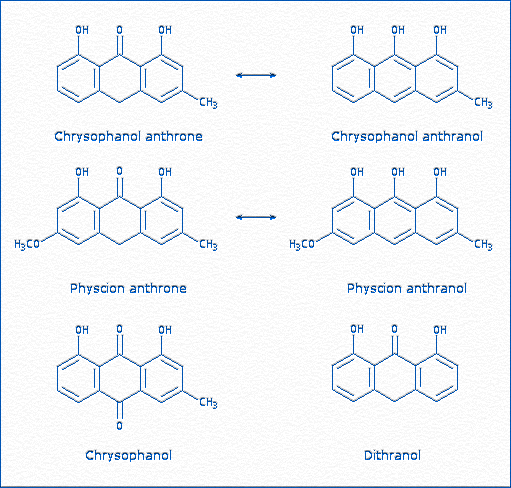

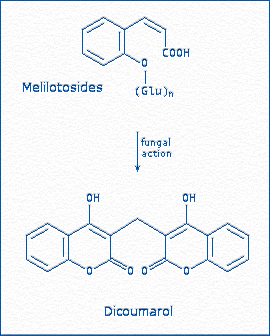



 0000-0002-2678-0784
